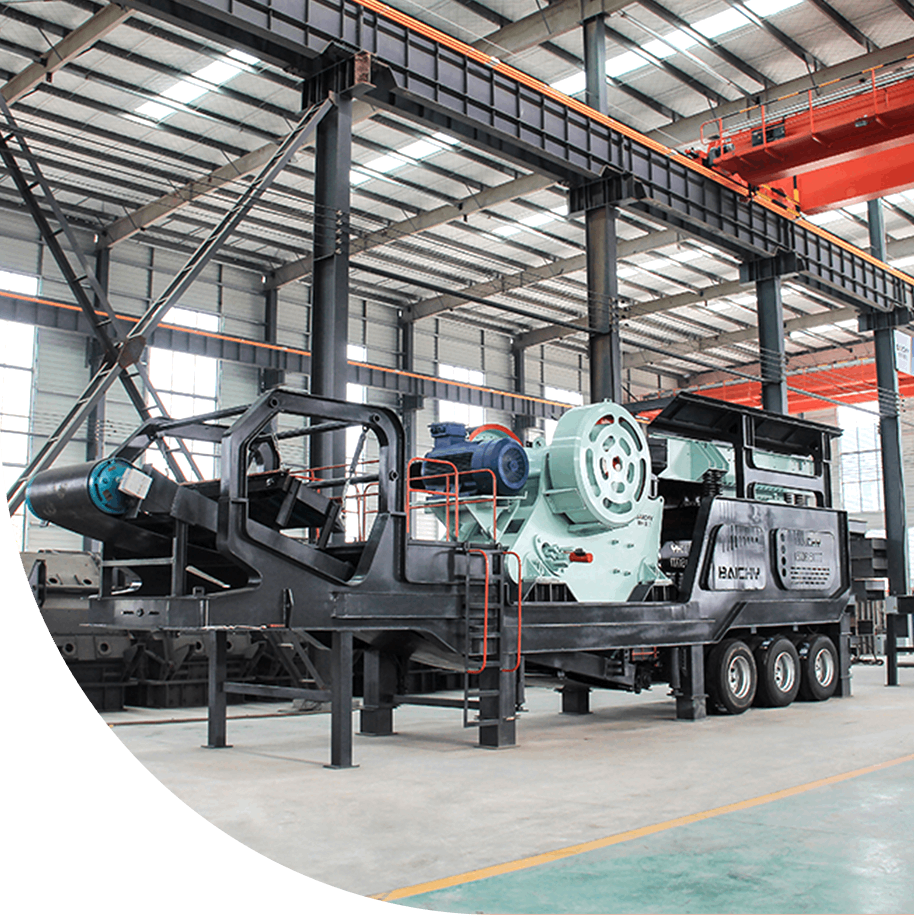
Gold milling machines play a vital role in modern gold extraction and processing operations. These machines are designed to crush, grind, and pulverize gold ore into fine particles, enabling efficient separation and recovery of gold from other minerals. By reducing ore size, gold milling machines improve the effectiveness of downstream processes such as gravity concentration, flotation, or cyanidation. They are used in both large-scale industrial mining and small-scale artisanal operations, providing flexibility across various mining projects. Proper selection of a gold milling machine ensures high recovery rates, minimizes energy consumption, and reduces wear on equipment, making it an essential investment for maximizing productivity and operational efficiency. Additionally, modern machines often integrate automation features, such as adjustable grinding speed, feed rate monitoring, and safety controls, which enhance both the precision of processing and the safety of the operation.
I. Types of Gold Milling Machines
Common types include ball mills, stamp mills, and roller mills. Ball mills use rotating cylinders to grind ore into fine powder, suitable for high-efficiency gold extraction. Stamp mills crush ore using heavy stamp plates, ideal for traditional small-scale operations. Roller mills use compression and shear to break down ore efficiently for medium-scale applications.
II. Material Suitability
The type of gold ore and hardness affects machine selection. Hard rock ores require robust ball or roller mills to achieve fine grinding, while softer placer ores can be processed using stamp mills. Understanding ore properties ensures efficient gold recovery and reduces equipment wear.
III. Efficiency and Production Capacity
Gold milling machines should match production requirements. High-capacity ball mills are ideal for industrial mining, producing uniform particle size for downstream gold extraction processes. Smaller stamp mills suit artisanal or small-scale mining, balancing low investment with reasonable output. Production efficiency and consistent feed size are essential for maximizing recovery rates.
IV. Maintenance and Operational Considerations
Regular maintenance is crucial for
gold milling machines. Lubrication, inspection of grinding media, and monitoring of wear parts prevent downtime and maintain high efficiency. Automated machines with adjustable grinding settings can reduce labor costs and improve consistency. Selecting durable, high-quality components ensures long-term reliability.
When selecting a gold milling machine, consider ore type, hardness, production scale, desired output size, energy consumption, and maintenance capacity. Ball mills offer high efficiency for hard ores, stamp mills suit traditional small-scale operations, and roller mills provide versatility for medium-scale projects. Proper selection ensures optimal gold recovery, reduced downtime, and cost-effective operations.
Frequently Asked Questions About gold milling machines
Q: What types of gold milling machines are available?
A:Common types include ball mills, stamp mills, and roller mills, each suitable for different ore types and production scales.
Q: How do I choose a gold milling machine based on ore hardness?
A: Hard ores require ball or roller mills for fine grinding, while softer ores can be processed with stamp mills for small-scale operations.
Q: What maintenance is required for gold milling machines?
A: Regular inspection, lubrication, and monitoring of grinding media and wear parts are essential to maintain efficiency and prevent downtime.
Enhance Your Material Handling Efficiency Today – Contact Our Experts for Customized solutions.