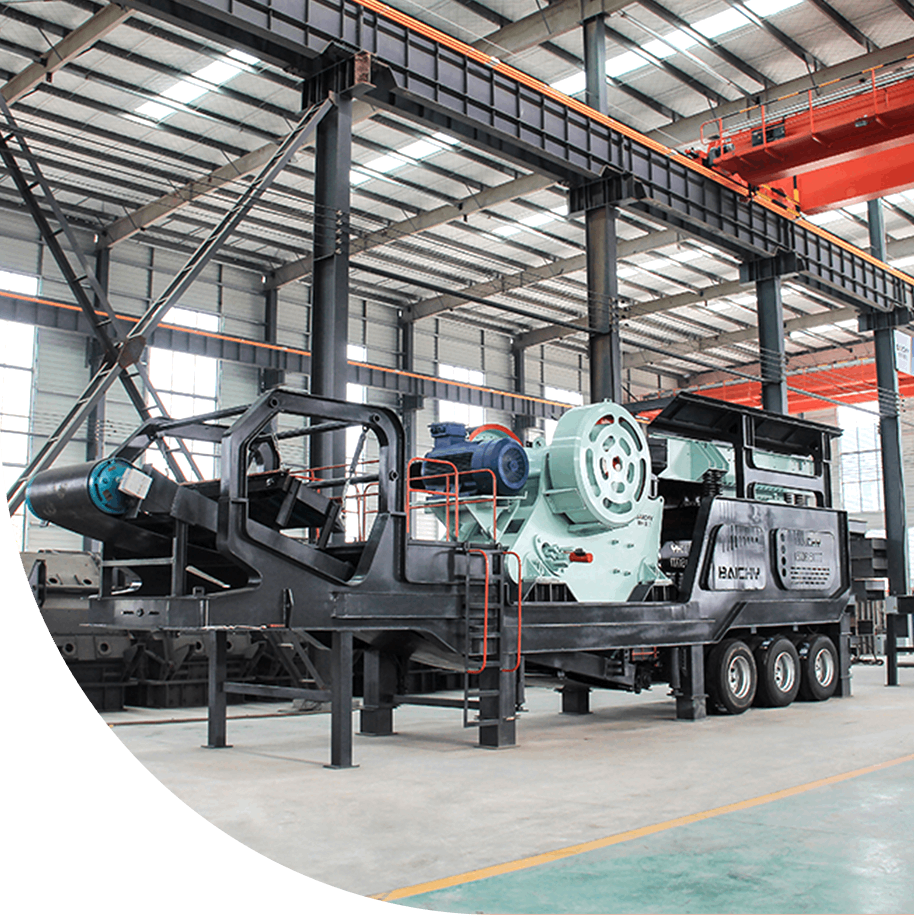
Vibrating feeders are critical equipment in modern industrial operations, designed to transport bulk materials from storage hoppers or silos to downstream processing machinery at a controlled, steady rate. By using a combination of vibration and gravity, these feeders prevent clogging, reduce material segregation, and ensure smooth feeding. Industries such as mining, construction, metallurgy, and chemical processing heavily rely on vibrating feeders to maintain continuous production and minimize operational downtime. Their adaptability allows handling of diverse materials, from fine powders to large, heavy lumps.
I. Working Principle of Vibrating Feeders
The core operation of vibrating feeders involves an electromagnetic or mechanical vibration system, which generates linear, circular, or elliptical motion depending on the design. This motion propels materials forward along the feeder tray while maintaining a controlled feeding rate. Advanced models allow operators to adjust vibration amplitude, frequency, and tray inclination, ensuring precise material flow according to the requirements of downstream machinery. Such precise control is essential in mining plants feeding crushers, in chemical production lines feeding reactors, or in aggregate plants feeding sorting screens.
II. Key Features and Advantages
Vibrating feeders are designed for efficiency, durability, and versatility. Their high-frequency vibration enables rapid material transport without energy waste. The feeders’ robust structure ensures minimal wear and reduces the need for frequent maintenance. They provide uniform material flow, which is critical for ensuring consistent quality in production lines. Furthermore, modern feeders can handle a wide range of materials, including abrasive, sticky, or fragile substances, without significant operational issues. Their modular design also facilitates easy replacement of worn parts, further extending service life.
III. Industrial Applications
Vibrating feeders are used across multiple industries. In mining, they feed raw ore from storage to crushers and screening machines, ensuring the continuous processing of large volumes of material. In construction and aggregate industries, they manage the flow of sand, gravel, and cement into batching plants or concrete mixers. In chemical and metallurgical processes, they provide consistent feeding of powders, granules, and metal ores into mixers, mills, or reactors, enhancing both productivity and safety. Customized feeders can even handle high-temperature or corrosive materials in specialized industrial environments.
IV. Maintenance and Durability
To maintain optimal performance, vibrating feeders require regular inspection and preventive maintenance. Key components such as vibration motors, springs, and tray surfaces should be checked for wear, alignment, and stability. Lubrication of moving parts, bolt tightening, and monitoring of vibration amplitude are essential for long-term durability. High-quality feeders are constructed from corrosion-resistant materials and heavy-duty steel, capable of withstanding abrasive and high-stress environments. Proper maintenance not only prolongs service life but also reduces unexpected downtime and operational costs.
The future of
vibrating feeders lies in automation, smart monitoring, and energy efficiency. With the integration of IoT sensors and control systems, modern feeders can automatically adjust vibration frequency and amplitude according to real-time material characteristics, ensuring optimal feeding without human intervention. Predictive maintenance systems can detect component wear before failure, reducing unexpected downtime. Additionally, manufacturers are developing eco-friendly designs with lower energy consumption and reduced environmental impact, aligning with global trends toward sustainable industrial practices.
Frequently Asked Questions About Vibrating Feeders
Q: What types of materials are best suited for vibrating feeders?
A:Vibrating feeders handle a wide variety of materials, from fine powders to large, abrasive ores and sticky substances. They are ideal for minerals, coal, sand, gravel, chemicals, and metal ores, ensuring smooth and consistent feeding in industrial operations.
Q: How can I select the most suitable vibrating feeder for my plant?
A: Choosing the right feeder depends on material characteristics (size, weight, moisture), desired feeding rate, installation space, and downstream equipment requirements. Consulting experienced suppliers can help select a model that maximizes efficiency and minimizes maintenance.
Q: What maintenance practices ensure long-lasting vibrating feeder performance?
A: Routine maintenance includes inspecting vibration motors, springs, and tray surfaces, checking alignment, tightening bolts, and monitoring vibration amplitude. High-quality construction materials also extend service life, reduce wear, and prevent unexpected downtime.
Enhance Your Material Handling Efficiency Today – Contact Our Experts for Custom Vibrating Feeder Solutions.