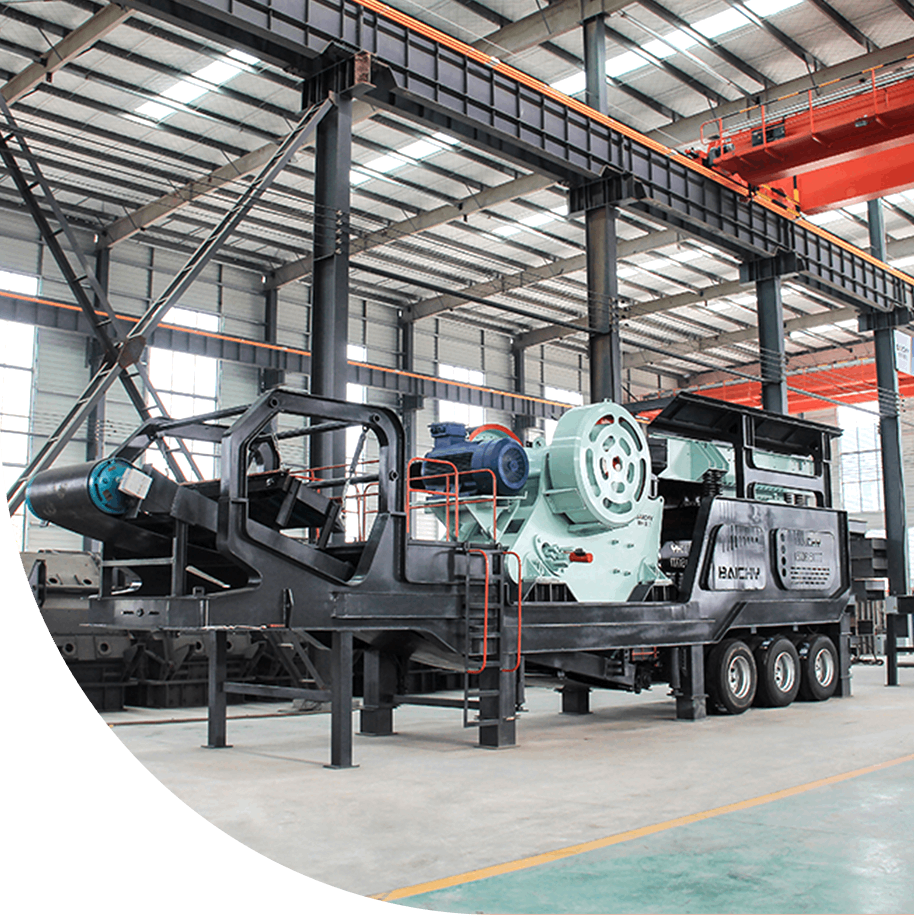
A trommel screen is a rotating cylindrical screen used to separate materials based on size. The material is fed into the drum, which rotates, causing smaller particles to fall through the perforated holes while larger particles are retained. Trommel screens are commonly used for screening and sorting materials like soil, gravel, compost, sand, and recyclables in mining, construction, and waste management industries. Their simple yet efficient design makes them essential in many material processing operations.
I. How Trommel Screens Work
Trommel screens consist of a cylindrical drum with holes or mesh that allow smaller particles to pass through. The drum rotates as material is fed into it, and the material is continuously agitated by the motion. Smaller particles fall through the screen and are collected in a separate compartment, while larger particles move along the length of the drum until they exit from the other end. The size of the holes in the screen determines the particle size that will pass through, making trommel screens highly customizable for different processing needs.

II. Benefits of Trommel Screens
Trommel screens offer several key advantages, including high screening efficiency, versatility, durability, and low maintenance requirements. The rotating design allows for thorough material separation, improving screening performance. Additionally, trommel screens can be customized with different hole sizes, making them suitable for a wide range of materials, from soil and gravel to ores and construction waste. Their simple design reduces the need for complex maintenance, which helps lower operational costs and enhances uptime.
III. Applications of Trommel Screens
Trommel screens are widely used across various industries, particularly in mining, construction, recycling, and waste management. In mining, they are used to separate ore from waste materials, aiding in efficient extraction. In construction, trommel screens sort aggregates such as sand and gravel. In recycling, they efficiently separate materials like plastics, metals, and paper for reuse. In waste management, they are essential for sorting organic waste, compost, and other recyclable materials, contributing to more effective recycling processes.

IV. Choosing the Right Trommel Screen for Your Needs
When selecting a trommel screen, consider factors such as material type, desired particle size, and production capacity. Trommel screens come in various sizes and configurations, so choosing the right model ensures optimal performance. It’s important to match the screen’s hole size and rotation speed with the material being processed to achieve the best separation efficiency. Consulting with a trommel screen manufacturer or expert can help determine the ideal screen for your application.
Regular maintenance is crucial to ensure the efficient operation of trommel screens. Key tasks include inspecting and cleaning the drum to prevent material buildup, checking the lubrication and alignment of the drive system, inspecting the screen holes for blockages or wear, and ensuring that moving parts are properly lubricated. Performing these maintenance tasks regularly helps to prevent downtime and ensures optimal performance, thereby extending the lifespan of the equipment.
Q: What materials can a trommel screen process?
A: Trommel screens can process a wide range of materials, including soil, gravel, compost, sand, ores, construction debris, and recyclables such as plastic, paper, and metal.
Q: How do I choose the right trommel screen for my material?
A: Consider factors like material size, production capacity, and the desired particle size for separation. Trommel screens come with different hole sizes, and selecting the right size is crucial for efficient processing.
Q: What are the main advantages of trommel screens over other screening methods?
A: Trommel screens offer high efficiency, versatility, durability, and low maintenance compared to other types of screening machines. Their rotating design ensures thorough and consistent material separation.