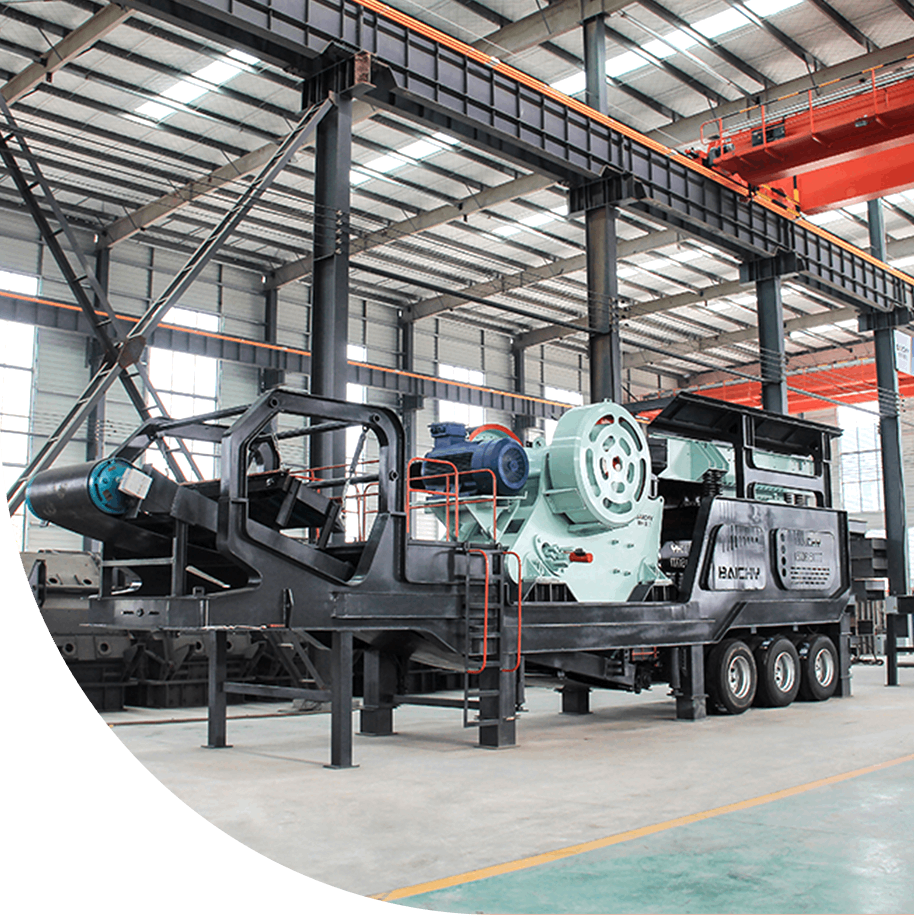
Dewatering screens are critical equipment in material processing, particularly for operations that require the separation of solid particles from liquids. These machines are commonly used in industries such as mining, construction, and aggregate production to remove excess moisture from materials like sand, coal, and minerals.
I. How Dewatering Screens Work
A dewatering screen works by utilizing vibration to separate water from solid particles in the material. The screen uses a specially designed mesh that allows water to flow through while retaining the solids. The vibrating motion ensures a thorough separation, leaving behind drier materials that are easier to handle and transport.

II. Improving Material Quality and Handling
By effectively removing excess water, dewatering screens improve the quality of materials. For example, in sand production, drier sand is easier to handle, store, and transport, leading to reduced handling costs and a higher quality product. In mining, dewatering helps create products that are ready for further processing or use, streamlining the workflow.
III. Cost Savings and Efficiency
Dewatering screens contribute to cost savings by reducing the need for additional drying equipment or energy-consuming drying processes. The high efficiency of these screens ensures that materials are processed quickly, improving overall operational productivity. By reducing water content in materials, businesses can cut down on storage and transport costs as well.

IV. Applications Across Industries
Dewatering screens are versatile and can be used in a wide variety of industries. In the mining sector, they are used to dewater minerals and coal. In construction and aggregate production, they help remove excess water from sand and gravel. Additionally, these screens are used in wastewater treatment to separate solids from liquids, providing a cleaner effluent.
Using dewatering screens also offers environmental benefits. By reducing the need for chemical drying agents or additional energy-intensive drying processes, these machines help lower the carbon footprint of material processing operations. Furthermore, the efficient water removal can minimize water wastage, contributing to more sustainable operations.
Q: What is the primary function of a dewatering screen?
A: The primary function of a dewatering screen is to remove excess water from materials such as sand, coal, and minerals, enhancing material quality and preparing it for transport or further processing.
Q: How does a dewatering screen work?
A: A dewatering screen uses vibration to separate water from solid particles. The screen’s mesh allows water to pass through, while the solids remain on top, resulting in drier material.
Q: What industries use dewatering screens?
A: Dewatering screens are widely used in mining, construction, aggregate production, and wastewater treatment. They are essential for processing materials such as sand, coal, minerals, and wastewater solids.