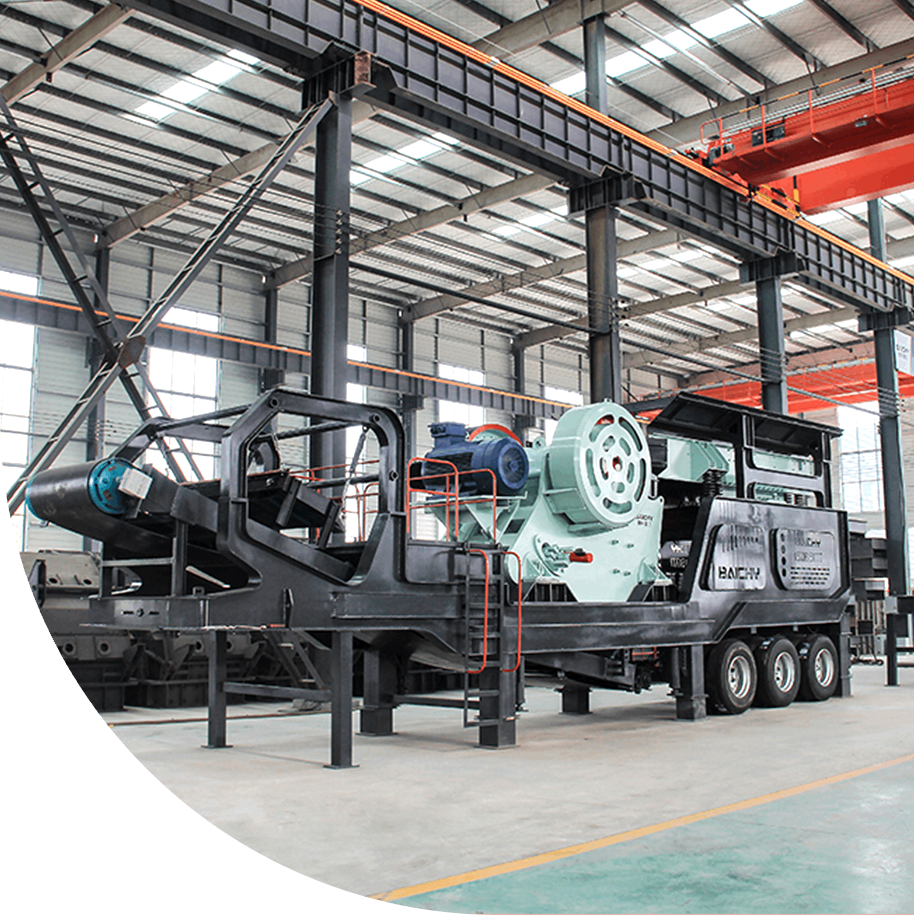
Reversible Hammer Crusher: Stable Output and Longer Hammer Life
"Reversible" sounds like a feature on a datasheet. In practice it is a maintenance strategy. A rotor that turns both ways wears its hammers evenly, and even wear is what keeps the product curve stable between changes — which matters more in a coal or limestone circuit than the price of a set of hammers.
This article explains what reversing actually changes inside the machine, where the design suits the duty, and the operating habits that decide whether you get the benefit or waste it.
I. What Reversing Changes in the Chamber
A reversible hammer crusher runs its rotor in either direction, and the chamber is built symmetrically so the machine works properly whichever way it turns: breaker plates on both sides, a symmetric feed arrangement, and hammers with two usable working edges.
• Symmetrical breaker plates mean the reduction geometry does not change when direction changes.
• Two-edged hammers — when one edge is worn, the rotor reverses and the other edge takes the work.
• Open discharge, with no grate in most designs, so wet or sticky feed passes instead of bridging.
• Hydraulic frame opening on the larger sizes, which turns a hammer change from a chamber job into a service task.
• A symmetric inlet, so the feed curtain arrives at the rotor the same way in both directions rather than favouring one side.
• Direction interlock, because reversal is a stop-start action. A machine that could reverse under load would damage the drive and the chamber.

II. Why Reversing Is Worth Paying For
1.Twice the usable edge, half the changes
One hammer now does the work of two. That is a parts saving, but the larger gain is the stoppage you avoid — and on a plant feeding a kiln or a boiler, a stoppage costs far more than the hammers.
2.Even wear across the rotor width
Feed rarely distributes perfectly, so one side of the rotor usually works harder. Reversing periodically evens that out and keeps the rotor closer to balanced — an unbalanced rotor is the beginning of bearing trouble, not a cosmetic issue.
3.A stable product curve
Worn hammers produce a coarser product. In a fixed-direction machine the curve drifts steadily between changes; reversing keeps the working edges sharp more of the time, so the product stays where the specification expects it.
4.Less sensitivity to moisture
Without a grate, damp material passes rather than packing. That is often the real reason a coal or shale plant chooses this design over a grate-equipped hammer mill.
III. Reversible Versus Single-Direction
| Item | Reversible hammer crusher | Single-direction hammer crusher |
| Hammer use | Two edges per hammer | One edge |
| Product consistency | Holds a steadier curve between changes | Drifts coarser as edges wear |
| Stoppages | Fewer, and shorter with hydraulic opening | More frequent |
| Discharge | Usually open, no grate | Often grated |
| Best feed | Coal, limestone, gypsum, shale, chalk | Similar, with tighter top-size control |
Note the trade in the last row. A grate gives finer control of top size; an open discharge gives throughput and moisture tolerance. The reversible design chooses the second, which is why it is a bulk-reduction machine, not a precision one.
IV. Where It Does Not Fit
• Abrasive rock. Reversing doubles the usable edge; it does not slow the wear rate. On high-silica feed the hammer bill stays high whichever way the rotor turns.
• Hard, competent rock. The machine is designed around strike breakage on soft to medium material.
• Tight top-size specifications. Without a grate, the upper end of the curve is set by breaker plate clearance and rotor speed only.
• Very fine products. If the target is a fine, narrow band, add a screen and accept that the plant is no longer single-stage.
• Feed with unbreakable contamination. Reversing helps, but tramp metal still needs a magnet or detector upstream.

V. The Operating Habits That Decide the Benefit
• Reverse on a schedule, not on a hunch. A fixed interval based on tonnage keeps wear even; reversing only when output drops means the first edge was already over-worn.
• Record tonnes per edge. Two numbers per hammer set tell you the real cost per tonne, which is the only figure worth comparing between suppliers.
• Check rotor balance after every change. Hangers and pins wear with the hammers; replacing hammers on worn pins reproduces the imbalance.
• Keep the breaker plate clearance where it was set. It is the only top-size control on an open-discharge machine.
• Feed evenly. A continuous curtain of material protects the rotor; batch dumping produces a speed drop and a coarse slug.
VI. What to Specify
• Feed size distribution and the largest lump, against the actual feed opening rather than the nominal one.
• Required product curve, stated as a top size plus an acceptable fines share — this is where open discharge must be checked honestly.
• Hammer metallurgy and weight, plus whether hangers and pins are supplied as wear parts.
• Frame opening method — hydraulic or manual — and the access it gives to hammers and breaker plates.
• Reversal control: whether direction change is interlocked, and what prevents reversal under load.
Frequently Asked Questions About Reversible Hammer Crushers
Q: Does reversing really double hammer life?
A: It doubles the usable working edge, which is the same thing in practice — provided you reverse on a schedule. Wait too long and the first edge is beyond saving, so the second edge inherits an already unbalanced rotor.
Q: Can it run without a grate?
A: Most reversible designs are open-discharge by intention. That is what gives them moisture tolerance and throughput, at the cost of a coarser and broader product curve.
Q: Is it suitable for coal?
A: It is one of the standard choices for coal and coke where the duty is bulk reduction before a mill or a boiler. Confirm the product top size your downstream equipment needs before choosing the chamber.
Q: How often should the rotor be reversed?
A: Base it on tonnage through the machine rather than on days. The right interval is the one that keeps the two edges wearing evenly, and it is specific to your feed and your hammer metallurgy.
Q: Can it replace a jaw crusher as primary?
A: For soft to medium rock with a controlled maximum lump, often yes. For run-of-mine feed with unpredictable oversize or harder rock, a jaw remains the safer primary.
For rotor sizes, hammer options and frame opening arrangements, see the reversible hammer crusher range.