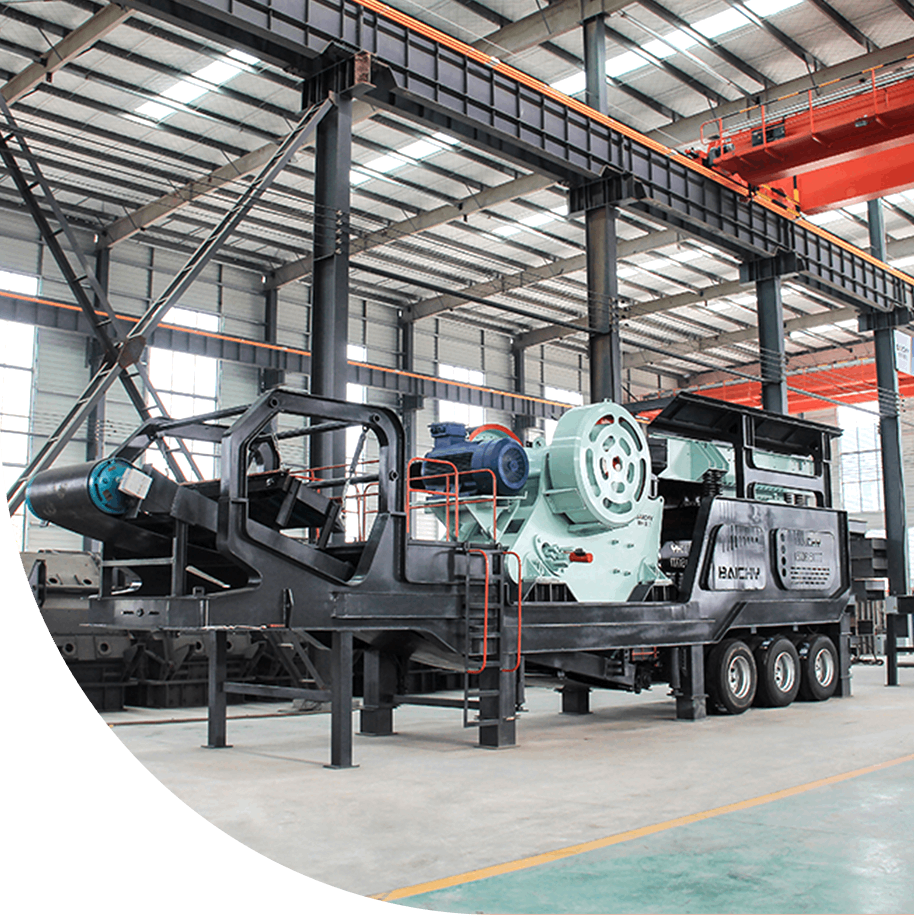
Magnetic separators are machines that use powerful magnetic fields to separate magnetic materials from non-magnetic materials. They are widely used in mining, recycling, and manufacturing industries to remove impurities, improve product purity, and enhance operational efficiency. Magnetic separators can be designed for different particle sizes and material types, providing versatile solutions for a wide range of applications.
I. How Magnetic Separators Work
Magnetic separators work by generating a magnetic field that attracts magnetic materials, such as iron or steel, and holds them against the surface of a magnet. As the materials pass through the separator, the magnetic particles are attracted to the magnetic field, while non-magnetic materials continue to flow freely. The separation process ensures that only the desired magnetic materials are removed, improving the purity of the remaining material.

II. Advantages of Magnetic Separators
Magnetic separators offer high efficiency in separating magnetic and non-magnetic materials, ensuring the purity and quality of processed materials. They are durable, cost-effective, and require minimal maintenance, making them a long-term investment. Additionally, magnetic separation is an environmentally friendly process as it does not rely on chemicals, and these separators are versatile enough to handle a wide range of materials and particle sizes.
III. Applications of Magnetic Separators
Magnetic separators are used across multiple industries, including mining, where they help extract valuable ores like iron ore from waste. In recycling, they efficiently separate ferrous metals from other materials, enhancing the recycling process. They are also critical in food processing to remove metallic contaminants from raw materials and final products, ensuring food safety. Furthermore, magnetic separators are used in manufacturing to eliminate metal contaminants, ensuring product quality and protecting equipment.

IV. Choosing the Right Magnetic Separator
The selection of a magnetic separator depends on several factors, such as the type of material being processed, the size of the particles, and the desired level of separation. It is important to choose a magnetic separator that meets the specific needs of the application, whether it requires high-intensity separation for fine particles or a simpler system for larger materials. Ensuring the correct selection helps optimize performance and efficiency.
To maintain the optimal performance of magnetic separators, it is essential to regularly clean the magnetic surfaces, inspect the magnetic field strength, and monitor for any wear on components like belts and magnets. Additionally, it is crucial to adjust the settings based on the material being processed to ensure maximum separation efficiency and reduce equipment wear over time.
Q: How should I maintain a magnetic separator?
A: Maintenance tasks include cleaning the magnet, inspecting the magnetic field, monitoring for wear, and adjusting settings to optimize performance and extend equipment lifespan.
Q: In which industries are magnetic separators used?
A: They are used in mining, recycling, food processing, and manufacturing to separate magnetic materials from non-magnetic materials for improved quality and efficiency.
Q: What are the advantages of using a magnetic separator?
A: Magnetic separators offer high efficiency, cost-effectiveness, environmental friendliness, and versatility. They help improve material purity and reduce operational costs in various industries.