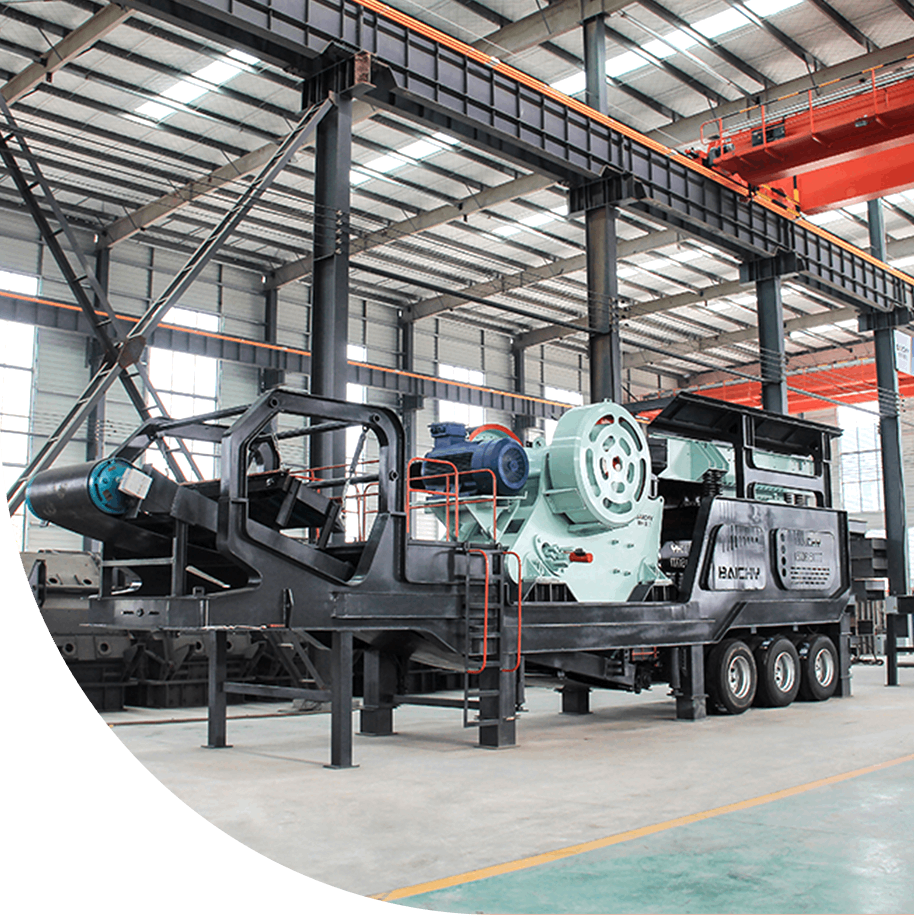
Wheel sand washers are machines designed to wash sand and remove impurities, such as clay, silt, and dust, ensuring the sand is clean and ready for use in construction, concrete production, and other industrial applications. These washers use a wheel-type structure to rotate and agitate the sand, allowing for effective cleaning and sorting of materials. Wheel sand washers are known for their high efficiency, simple operation, and long-lasting performance in harsh working conditions.
I. How Wheel Sand Washers Work
Wheel sand washers operate by using a rotating wheel-like device that scoops and lifts sand from a water-filled tank. The wheel’s rotation helps to agitate the sand, allowing it to pass through the washing process, where impurities are washed away by the water flow. The clean sand is then discharged, while impurities are filtered out, making the sand suitable for various construction and industrial purposes. The washer also has a screen to separate fine particles from larger ones, improving the overall sand quality.

II. Key Benefits of Wheel Sand Washers
Wheel sand washers offer several key advantages, including high efficiency in washing large quantities of sand quickly, effective removal of impurities such as clay and dust, and low maintenance due to their simple design. They provide environmentally friendly solutions by using minimal water and incorporating closed-loop systems for water recycling, ensuring both cost-efficiency and sustainability in the washing process.
III. Applications of Wheel Sand Washers
Wheel sand washers are widely used in industries such as construction, mining, aggregate production, and environmental protection. In construction, they provide clean sand for concrete production, while in mining, they help wash and process sand and gravel. They are also used in aggregate production for road construction and infrastructure projects and play a role in waste recycling and material separation in environmental protection applications.

IV. Choosing the Right Wheel Sand Washer
Selecting the appropriate wheel sand washer depends on factors such as the type of material being processed, the desired level of cleaning, and the production capacity. Features such as wheel diameter, water tank size, and motor power should be considered to ensure the selected washer meets operational requirements. A properly chosen sand washer ensures optimal cleaning performance, cost-efficiency, and long-term reliability.
Regular maintenance is essential to ensure the effective operation of wheel sand washers. This includes checking and cleaning the wheel to prevent material buildup, lubricating moving parts to reduce wear, and monitoring water flow to prevent clogging. Timely replacement of worn parts like screens and bearings ensures optimal performance and extends the machine’s lifespan.
Q: What are the advantages of using a wheel sand washer?
A: Wheel sand washers are efficient, easy to maintain, and environmentally friendly. They offer effective cleaning of sand, remove impurities, and help produce high-quality sand for construction and industrial use.
Q: In which industries are wheel sand washers used?
A: They are widely used in construction, mining, aggregate production, and environmental protection for cleaning sand and other materials.
Q: How should I maintain a wheel sand washer?
A: Regular maintenance includes inspecting and cleaning the wheel, lubricating moving parts, monitoring water flow, and replacing worn parts like screens and bearings.