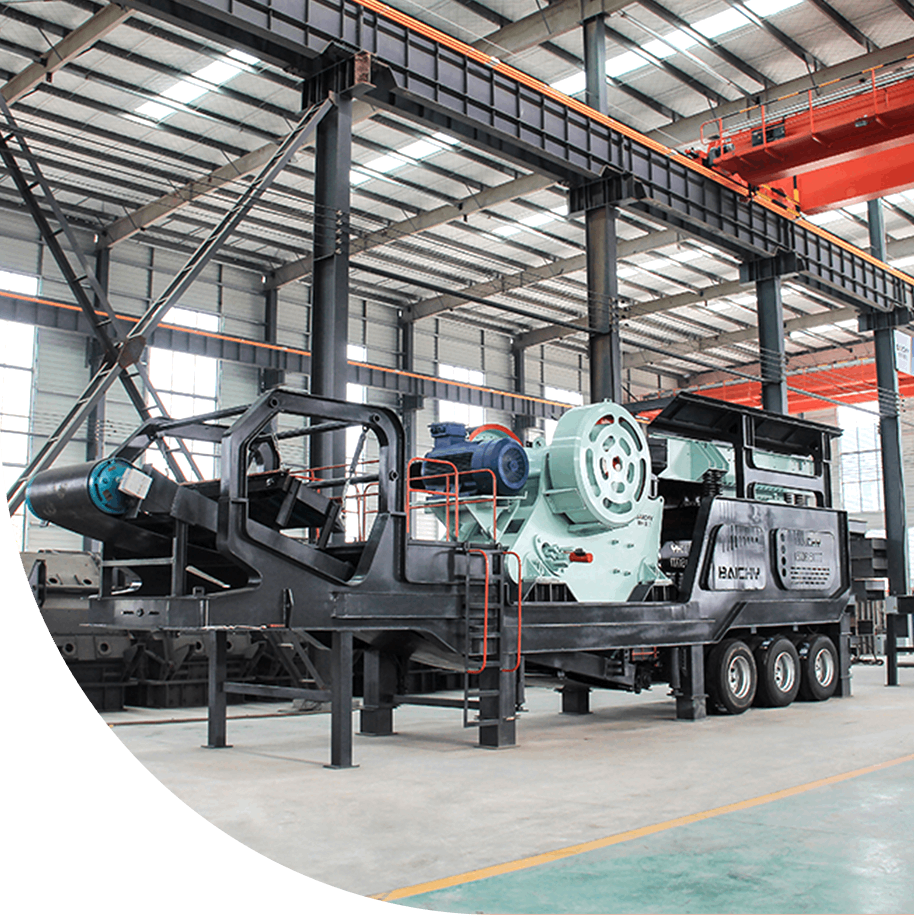
A heavy hammer crusher is a type of crushing equipment used for crushing medium or high hardness materials. It is known for its strong crushing ability and high efficiency. The heavy hammer crusher features a unique design that allows it to crush materials in one stage, reducing the need for additional crushers. It is widely used in mining, construction, and aggregate production for processing materials like limestone, granite, and other hard stones.
I. How Heavy Hammer Crushers Work
Heavy hammer crushers operate on the principle of impact crushing. The material is fed into a large rotating hammer mill, where it is struck by heavy hammers. These hammers break the material into smaller particles, which are then discharged through a grate or screen. The design of the crusher allows for efficient reduction of large pieces of material to the desired size in a single pass, making it an efficient and cost-effective solution for crushing hard materials.

II. Advantages of Heavy Hammer Crushers
Heavy hammer crushers are highly efficient, reducing large materials to smaller sizes in a single crushing stage, which minimizes the need for additional equipment. They consume less energy compared to other crushers, leading to lower operational costs. Their versatility allows them to handle a wide variety of materials, from soft to hard rocks, and their single-stage crushing process makes them a cost-effective solution for mining, construction, and aggregate production.
III. Applications of Heavy Hammer Crushers
Heavy hammer crushers are used in multiple industries, including mining, where they crush ores such as limestone, coal, and copper. They are also widely employed in the construction industry for processing materials like granite and limestone used in road construction and concrete production. In aggregate production, they help produce gravel and sand, while in cement manufacturing, they crush raw materials like limestone and clay.

IV. Choosing the Right Heavy Hammer Crusher
Selecting the right heavy hammer crusher depends on several factors, including the type of material to be processed, the required production capacity, and the desired output size. Features such as rotor speed, hammer weight, and discharge size can be adjusted to meet the specific needs of the operation. A well-chosen heavy hammer crusher ensures optimal crushing performance and cost efficiency.
Regular maintenance is essential to ensure the smooth operation of heavy hammer crushers. Key tasks include inspecting and replacing worn-out hammers, lubricating moving parts like bearings to reduce friction, checking the rotor for damage or imbalance, and cleaning or replacing screens to avoid material buildup. Proper maintenance extends the life of the machine and prevents costly downtime.
Q: How should I maintain a heavy hammer crusher?
A:Regular maintenance includes checking the hammers for wear, lubricating bearings, inspecting the rotor, and cleaning or replacing the screens to ensure optimal performance.
Q: In which industries are heavy hammer crushers used?
A: They are used in mining, construction, aggregate production, and cement manufacturing for crushing hard materials like ores, rocks, and raw materials.
Q: What are the advantages of using a heavy hammer crusher?
A: Heavy hammer crushers are efficient, consume less energy, offer versatility for various materials, and reduce the need for multiple crushing stages, making them cost-effective.