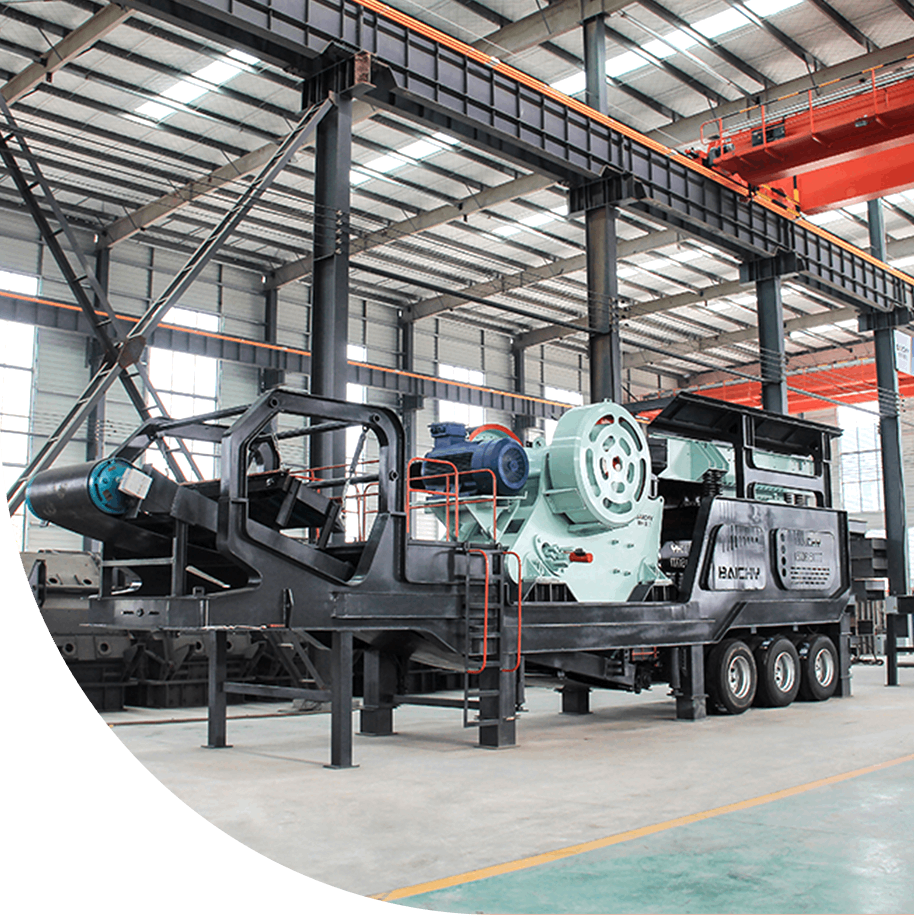
Tire mobile jaw crushers are the cutting edge of mobile crushing technology, providing a flexible and efficient solution for construction, mining, and recycling. These crushers are designed to meet high operational demands while maintaining ease of mobility and a reduced footprint.
I. Key Features of Tire Jaw Crushers
The tire jaw crusher is equipped with state-of-the-art components that guarantee robust performance and reduced downtime. Key features include high crushing efficiency, mobility, and the ability to handle a wide variety of materials.

II. Why Choose Tire Mobile Jaw Crushers?
In today’s competitive crushing industry, versatility and reliability are essential. Tire mobile jaw crushers offer unbeatable performance across various applications, from large-scale construction projects to smaller, localized operations.
III. Tire Mobile Jaw Crusher Applications
These crushers are perfect for projects that require constant movement, such as construction and demolition sites. They are also highly effective in mining operations, efficiently breaking down rocks and minerals in difficult-to-access areas.

IV. Cost-effectiveness and Efficiency
Tire mobile jaw crushers combine cost-effectiveness with high operational efficiency. Their easy mobility allows for fast setup and reduced transportation costs, making them an economical choice for companies with diverse crushing needs.
Maintenance is key to extending the lifespan of any equipment. Tire mobile jaw crushers are designed with ease of maintenance in mind, making routine checks and repairs simple. Built with durable materials, these crushers offer long-term reliability under harsh conditions.
Q: What makes the tire mobile jaw crusher unique?
A: Its high mobility and versatility make it ideal for various applications, including construction, demolition, and mining. It can operate in different environments and adapt to site-specific requirements.
Q: How is the tire mobile jaw crusher maintained?
A: The tire mobile jaw crusher is designed for easy maintenance with accessible parts and components, reducing downtime and ensuring consistent performance.
Q: Can the tire mobile jaw crusher be used for large-scale operations?
A: Yes, its powerful motor and durable construction make it suitable for both small and large-scale operations, ensuring efficiency and productivity on any project.