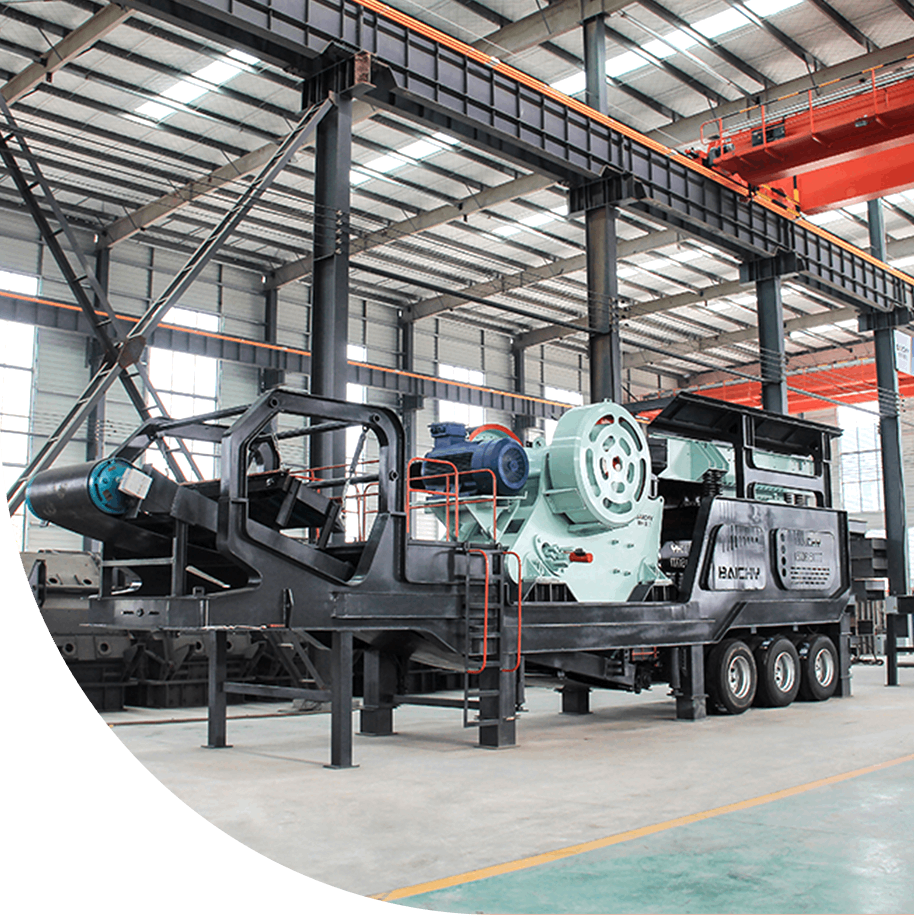
A rotary dryer is a large, rotating cylindrical drum used for drying bulk materials. Materials are fed into the dryer, and as the drum rotates, hot air or gas is passed through to remove moisture from the materials. The design allows for effective heat transfer, ensuring even drying. The rotating motion ensures that the material is evenly exposed to heat, preventing clumping and ensuring uniform moisture removal.
I. Energy Efficiency and Cost Savings with Rotary Dryers
One of the key advantages of rotary dryers is their energy efficiency. These dryers are designed to minimize energy consumption by optimizing heat transfer and airflow within the drum. This makes them a cost-effective solution for large-scale drying operations. The ability to use waste heat or recirculate heat within the dryer further improves energy efficiency and reduces operational costs.

II. Versatility and Applications in Different Industries
Rotary dryers are used across a wide range of industries due to their versatility. They are commonly used in industries like mining, agriculture, chemicals, and construction for drying materials such as sand, clay, ores, fertilizers, and biomass. Their design can be customized to handle different materials and drying requirements, making them suitable for diverse industrial applications.
III. High Capacity and Fast Drying Process
Rotary dryers are known for their high drying capacity and ability to handle large volumes of material at once. The rotary motion allows for continuous material processing, which increases throughput and reduces drying time. This makes rotary dryers ideal for industries with high-volume material processing requirements. The system’s efficiency means more materials can be processed in less time, improving productivity and reducing bottlenecks in production.

IV. Customization and Design Flexibility
Rotary dryers are highly customizable to meet specific drying needs. The size, drum length, and design of the dryer can be adjusted to suit different materials and drying conditions. Whether you need a small-scale unit for laboratory use or a large-scale system for industrial operations, rotary dryers can be tailored to meet the exact requirements of your process.
Rotary dryers are designed for durability and long service life. The rotating drum is built to withstand high temperatures and harsh conditions, making the dryer reliable for continuous operation. Regular maintenance includes cleaning, lubrication, and inspection of components like the drum, bearings, and exhaust system. With proper maintenance, rotary dryers can provide many years of efficient service.
Q: What materials can be dried with a rotary dryer?
A: Rotary dryers are versatile and can be used to dry a wide variety of materials, including sand, minerals, chemicals, biomass, food products, and more. Their adaptability makes them suitable for many industries.
Q: How energy-efficient are rotary dryers compared to other drying equipment?
A: Rotary dryers are highly energy-efficient due to their design, which optimizes heat transfer and minimizes energy waste. They can also be configured to use waste heat, further improving efficiency and reducing operational costs.
Q: What industries use rotary dryers?
A: Rotary dryers are used in many industries, including mining, agriculture, chemicals, food processing, and construction. They are commonly used for drying materials like sand, ores, fertilizers, and biomass.