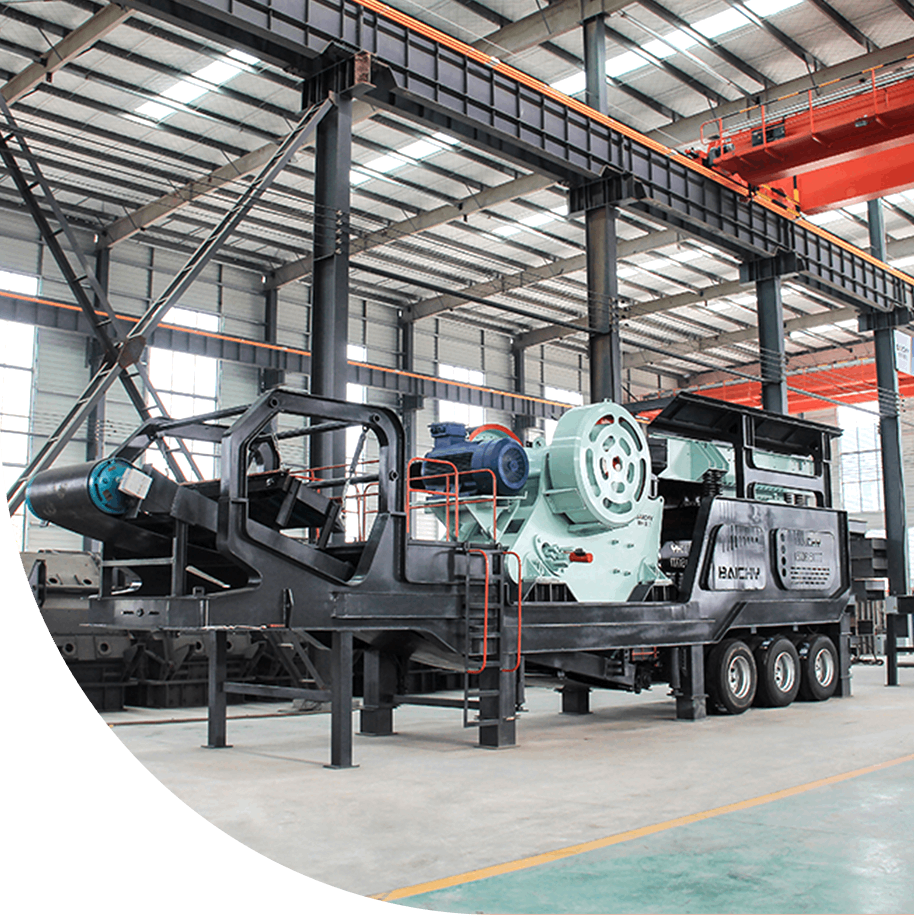
A shaking table, also known as a gold shaking table or gravity table, is a highly effective piece of equipment used for mineral separation based on gravity. It works by utilizing the difference in density between the valuable minerals and the gangue materials. The table is inclined and shakes in a back-and-forth motion, causing the heavier particles to move to the lower side, while the lighter materials move to the upper side. This allows for the separation of different mineral fractions.
I. Key Features of Shaking Tables
Shaking tables are highly efficient in mineral separation, utilizing gravity to concentrate valuable minerals like gold, tin, and tungsten. These tables operate by using adjustable feed rates, allowing for optimized separation based on material type and purity. The shaking motion of the table separates materials based on their density, with heavier particles moving to the lower side while lighter particles move upwards. Additionally, shaking tables are easy to operate and require minimal technical expertise, making them ideal for small- to medium-scale operations.

II. How Does a Shaking Table Work?
Shaking tables work by utilizing gravity and mechanical motion to separate materials based on their density. The table is sloped at a certain angle and shakes back and forth. When the material is fed onto the table, the heavier particles (such as gold) tend to move to the lower side of the table, while the lighter particles (such as gangue) move towards the upper side. The process is repeated until the minerals are sorted into different layers. The concentrated minerals are then collected for further processing.
III. Applications of Shaking Tables
Shaking tables are widely used for the recovery and concentration of various minerals. They are especially effective in gold recovery, where they separate fine gold from gangue materials in alluvial or hard rock mining. These tables are also used for the concentration of tin, tungsten, and other heavy minerals. Additionally, they have applications in the recycling industry, where they help recover valuable metals from electronic waste and other materials. Shaking tables are also useful in fine mineral concentration, recovering materials like zircon and ilmenite.

IV. Benefits of Using Shaking Tables
Shaking tables offer several advantages, including high recovery rates, even for fine particles. They are cost-effective since they rely on gravity separation, which minimizes energy consumption compared to other methods like flotation. The environmentally friendly nature of shaking tables, as they do not require toxic chemicals, makes them a safer option for mineral recovery. Additionally, their simple operation and low maintenance requirements make them ideal for small- to medium-scale operations, improving both efficiency and profitability.
Investing in a shaking table is a great choice for any mining operation that requires efficient and cost-effective mineral separation. Shaking tables offer high recovery rates, low energy consumption, and simple operation, making them ideal for extracting valuable minerals such as gold, tin, and tungsten. Whether you're working in gold recovery, recycling, or fine mineral concentration, a shaking table provides an excellent solution for your mineral processing needs.
Q: What materials can be separated using a shaking table?
A: Shaking tables are commonly used to separate materials based on density, such as gold, tin, tungsten, zircon, ilmenite, and other heavy minerals. They are also used in recycling to recover valuable metals from electronic waste.
Q: How efficient is a shaking table in separating minerals?
A: Shaking tables are highly efficient, offering excellent recovery rates, especially for fine minerals. They can achieve separation efficiencies of over 95%, depending on the material being processed.
Q: How does a shaking table differ from other separation methods like flotation?
A: haking tables use gravity-based separation, relying on differences in material density. In contrast, flotation uses chemicals and air bubbles to separate materials. Shaking tables are simpler, more environmentally friendly, and ideal for materials that have a significant density difference.