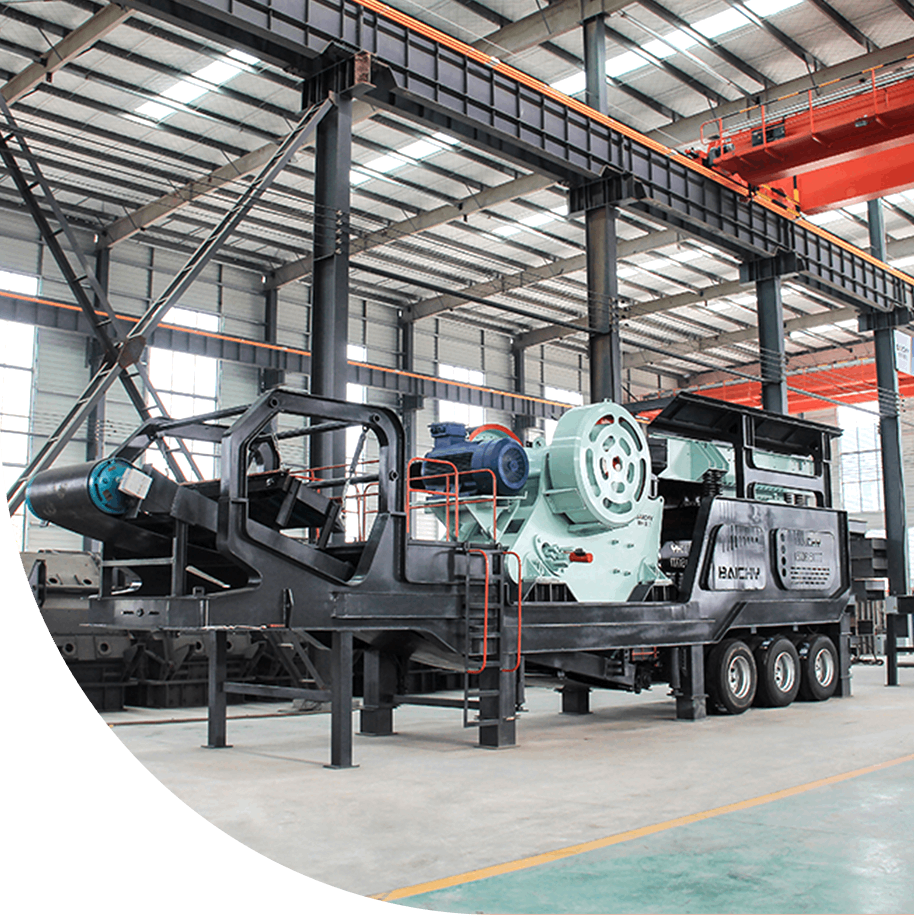
A jaw crusher is a powerful crushing machine designed for primary crushing. It consists of two jaws – one stationary and one moving – that work together to crush materials, typically rocks or ores, into smaller particles. As the moving jaw presses the material against the stationary jaw, it breaks the material down into manageable sizes for further processing. Jaw crushers are widely used in mining, construction, and recycling industries for their efficiency and versatility.
I. Key Features of Jaw Crushers
Jaw crushers are designed to deliver high crushing efficiency and can process a wide variety of materials, from hard rocks to softer substances. The output size of the crushed material is adjustable, offering flexibility for different applications. They are easy to maintain with minimal downtime required for repairs or adjustments, and their robust construction ensures long-lasting performance.

II. How Do Jaw Crushers Work?
Jaw crushers operate by compressing materials between two jaws. The moving jaw swings towards the fixed jaw, breaking the material as it moves. Once the material is crushed to a smaller size, it is discharged through the bottom opening of the machine. The design of the jaw crusher ensures maximum efficiency in breaking large, tough materials into smaller, more manageable sizes for further processing.
III. Applications of Jaw Crushers
Jaw crushers are primarily used in the mining, construction, and recycling industries. They are ideal for primary crushing of large materials such as rocks, ores, and gravel. In mining, they help reduce raw ore into smaller particles for further processing. In recycling, jaw crushers are used to break down concrete, debris, and other materials for reuse, making them a versatile option across various sectors.

IV. Benefits of Using Jaw Crushers
Using jaw crushers offers multiple benefits, including increased productivity, reliable performance, and cost-effectiveness. With their ability to handle large volumes of materials, jaw crushers significantly boost throughput and reduce downtime. Their versatility allows them to handle a wide range of materials, improving efficiency in primary crushing and ensuring smooth operations. Additionally, their low maintenance requirements make them a cost-efficient choice for long-term use in mining and construction operations.
Investing in a jaw crusher is essential for any mining or construction operation that requires efficient and reliable primary crushing. Jaw crushers offer high efficiency, low maintenance, and long-term performance. By reducing large materials to smaller sizes, they ensure smoother operations and improve the overall productivity of the crushing process. Whether you are in the mining, construction, or recycling industries, a jaw crusher can help you achieve better results and greater profitability in your operations.
Q: What types of materials can be crushed with a jaw crusher?
A: Jaw crushers are suitable for crushing a variety of materials, including hard rocks like granite, limestone, and basalt, as well as softer materials like coal, gypsum, and ores.
Q: How can I adjust the output size of a jaw crusher?
A: The output size of a jaw crusher can be adjusted by changing the gap between the stationary and moving jaws. This adjustment can be made by modifying the settings on the machine.
Q: Are jaw crushers energy-efficient?
A: Yes, jaw crushers are energy-efficient as they are designed to deliver high throughput with minimal power consumption. Their robust construction also ensures low operational costs over time.