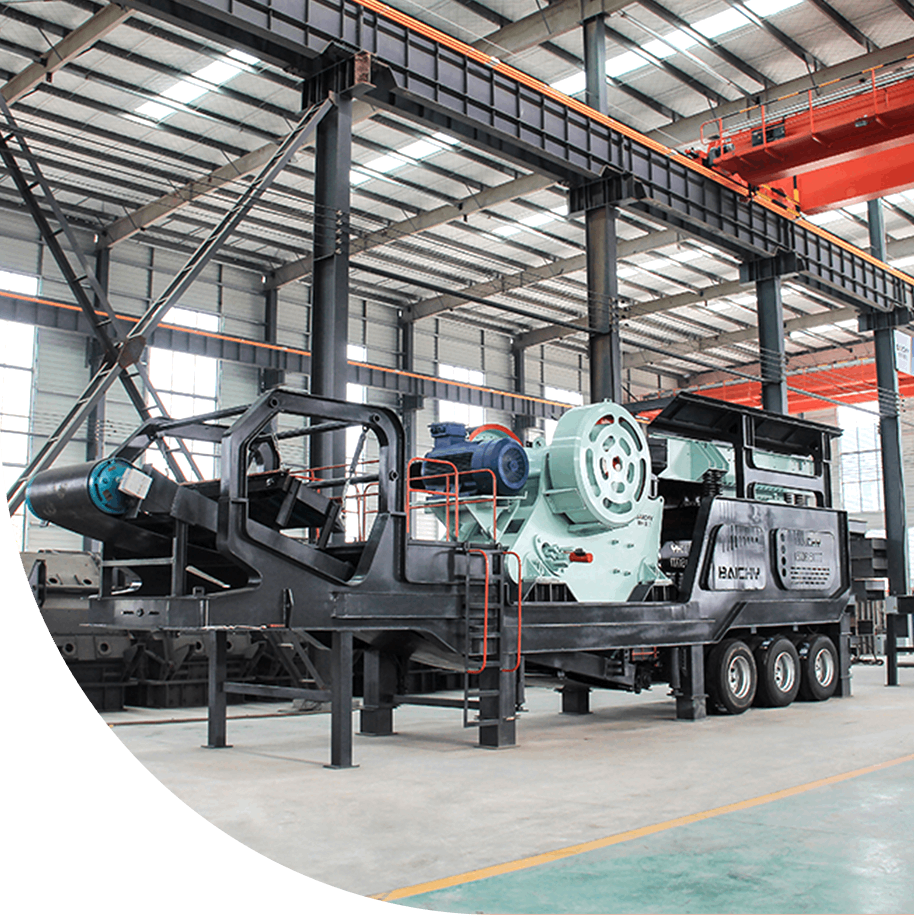
Flotation machines are used to separate valuable minerals from waste rock or gangue in the mining industry. They operate on the principle of flotation, where air bubbles are introduced to a mixture of water and minerals, causing the desired minerals to attach to the bubbles and float to the surface, while the waste material sinks. This separation technique is widely used in the processing of ores like copper, gold, and lead.
I. How Flotation Machines Work
Flotation machines consist of a tank, an impeller, and air injectors. The tank is filled with a slurry of water and finely ground ore, and air is injected into the slurry through the impeller. The air bubbles attach to the hydrophobic (water-repellent) particles in the ore, causing them to float to the surface. These froth bubbles are then removed, and the minerals are separated from the waste material. Flotation machines can be designed for different mineral types and flotation processes, such as roughing, scavenging, and cleaning.

II. Advantages of Flotation Machines
Flotation machines offer high efficiency in separating valuable minerals from gangue, improving recovery rates and overall ore processing performance. They are cost-effective due to low energy consumption and operational costs. These machines are also highly versatile, handling a wide range of ores and providing flexibility for different types of mineral separation. By optimizing mineral recovery, flotation machines contribute to better production efficiency and reduced waste.
III. Applications of Flotation Machines
Flotation machines are primarily used in the mining industry to extract valuable minerals such as copper, gold, silver, and lead from ore. They also have applications in the chemical industry for separating materials based on their hydrophobic properties and in recycling, where they help separate metals from waste. Additionally, flotation machines are employed in environmental protection to treat wastewater by separating contaminants like oils and suspended solids.

IV. Choosing the Right Flotation Machine
When selecting a flotation machine, factors such as the type of mineral to be processed, the required flotation rate, and the desired separation efficiency must be considered. The design of the flotation machine, including the size of the tank, the type of impeller, and the aeration system, should match the specific needs of the operation. Choosing the right flotation machine ensures efficient separation and maximized recovery of valuable minerals.
To ensure optimal performance, flotation machines require regular maintenance. This includes cleaning the tank to prevent buildup, monitoring the air flow system for effective aeration, and inspecting the impeller for wear. Replacing worn-out components such as seals, bearings, and agitators is also crucial to minimize downtime and avoid equipment failure, ensuring continuous and efficient operation.
Q: How should I maintain a flotation machine?
A:Routine maintenance includes inspecting and cleaning the tank, monitoring air flow, checking the impeller, and replacing worn components to ensure continued optimal performance.
Q: In which industries are flotation machines used?
A: Flotation machines are widely used in mining, chemical industries, recycling, and environmental protection for mineral separation and material recovery.
Q: What are the benefits of using a flotation machine?
A: Flotation machines offer high efficiency, cost-effectiveness, flexibility, and improved recovery of valuable minerals, making them a key part of the mineral processing industry.