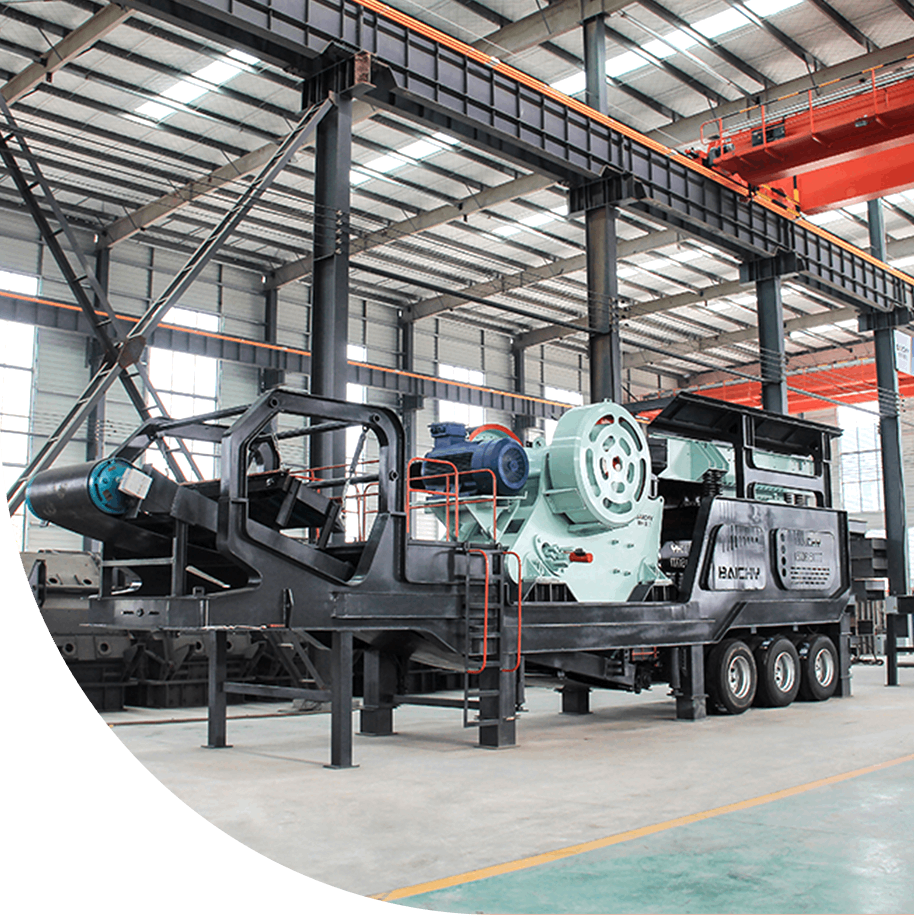
A belt conveyor is a continuous loop of a flexible belt that is used to transport materials from one location to another. The belt is typically made from durable materials such as rubber, PVC, or fabric, and is supported by a series of rollers that help the belt move smoothly. Belt conveyors are versatile, and their design can be customized to handle various types of materials, including bulk goods, packages, and small items.
I. Key Features of Belt Conveyors
Belt conveyors are equipped with several key features that make them ideal for efficient material handling. These conveyors operate continuously, making them perfect for high-volume transport. They are highly customizable, allowing for adjustments in belt material, size, and speed to suit specific applications. Their durable construction, typically made of wear-resistant materials like rubber or PVC, ensures long-lasting performance even in harsh industrial environments. Additionally, their simple design with fewer moving parts reduces the need for maintenance, which helps keep operational costs low while minimizing downtime.

II. How Do Belt Conveyors Work?
Belt conveyors work by using a motor-driven pulley to move the belt in a continuous loop. Materials are loaded onto the belt at one end and transported to the desired location. The belt's movement is supported by a series of rollers, which reduce friction and enable smooth operation. Depending on the application, conveyors can be designed with varying inclinations, speeds, and widths to meet specific transport requirements.
III. Applications of Belt Conveyors
Belt conveyors are widely used across various industries due to their versatility and efficiency. In the mining industry, they are essential for transporting bulk materials like coal, ore, and minerals over long distances. In manufacturing, belt conveyors move parts or finished products through different stages of production, enhancing workflow efficiency. In food processing, these systems are used to transport raw materials, ingredients, and finished products along production lines. Belt conveyors also play a crucial role in logistics and warehousing by improving the speed and accuracy of material handling, facilitating quicker storage and retrieval times in large distribution centers.

IV. Benefits of Using Double Stage Crushers
Belt conveyors provide a range of benefits that contribute to enhanced operational efficiency. They help increase productivity by automating the transportation of materials, which reduces the time spent on manual labor and boosts overall throughput. The energy-efficient design of these conveyors lowers operational costs while maintaining high performance. Their versatility allows them to handle a wide range of materials, from heavy bulk goods to delicate items, making them suitable for diverse industries. Furthermore, belt conveyors improve workplace safety by minimizing the need for manual handling, reducing the risk of injuries in the workplace.
Belt conveyors offer numerous advantages, such as increased efficiency, reduced operational costs, and improved safety. They are a flexible and cost-effective solution for a wide range of material handling needs, making them an essential part of modern industrial operations. Whether you're handling bulk materials, packages, or delicate items, belt conveyors are a reliable choice to improve productivity and streamline your operations.
Q: How do I choose the right belt conveyor for my needs?
A: The choice of a belt conveyor depends on factors such as the type of material being transported, the distance to be covered, and the environmental conditions. Consulting with a conveyor expert can help you choose the most suitable system for your operation.
Q: Can belt conveyors handle heavy materials?
A: Yes, belt conveyors are designed to transport both light and heavy materials. For heavy-duty applications, conveyors can be customized with reinforced belts and stronger components to handle greater loads.
Q: Are belt conveyors energy-efficient?
A: Belt conveyors are relatively energy-efficient compared to other material handling systems. However, energy consumption can vary depending on the length of the conveyor, load, and speed. Using variable speed drives and optimizing conveyor design can help further reduce energy use.