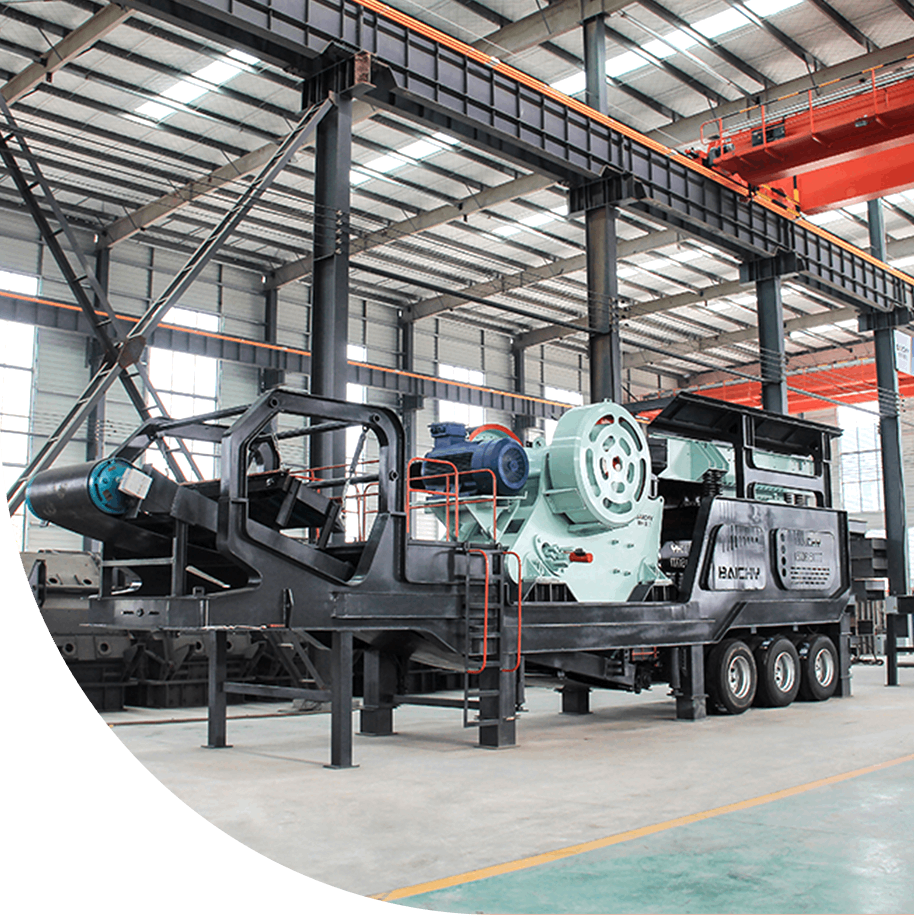
Ball mills used for powder grinding are highly efficient in reducing materials into fine powders, commonly used in industries like cement, chemical processing, and building materials. These mills use rotating cylinders filled with grinding media (such as steel balls) to grind materials into powders with precise control over particle size. Ball mills are versatile and can handle a wide range of materials for various powder processing needs.
I. How Ball Mills Work for Powder Grinding
Ball mills for powder grinding operate by rotating a cylindrical drum filled with grinding media. As the drum rotates, the grinding media crush and grind the material into fine powder. The fine powder is then classified to separate fine particles from coarser material. This process ensures the production of high-quality powders with the desired particle size and uniformity.

II. Benefits of Ball Mills for Powder Grinding
Ball mills for powder grinding are designed to provide precise control over particle size and consistency, making them ideal for producing fine powders in various industries. These mills are energy-efficient and can process a wide range of materials, from soft to hard substances. With their continuous operation capabilities, they offer an efficient solution for large-scale powder production, reducing operational costs and improving overall productivity.
III. Applications of Ball Mills for Powder Grinding
Ball mills are widely used in industries such as cement, chemicals, and building materials for grinding raw materials into fine powders. They play a significant role in cement production, chemical processing, and mineral grinding, producing uniform powders that meet specific industry requirements. Additionally, ball mills are used in the processing of non-metallic minerals like limestone and gypsum, contributing to various industrial applications.

IV. Choosing the Right Ball Mill for Powder Grinding
Selecting the appropriate ball mill depends on factors such as material hardness, the desired particle size, production capacity, and specific industry requirements. Proper selection ensures optimal grinding performance and energy efficiency for the desired application.
Routine maintenance is crucial to the performance of ball mills for powder grinding. This includes regular cleaning to prevent material buildup, lubrication of moving parts to reduce wear, and periodic inspection of grinding media for signs of wear. Monitoring the performance of the ball mill ensures it operates efficiently, maintaining consistent powder quality and preventing operational issues.
Q: What is a ball mill used for in powder grinding?
A: A ball mill is used to grind materials into fine powders for use in various industries, including cement, chemicals, and building materials.
Q: How does a ball mill work for powder grinding?
A: Ball mills rotate a cylindrical drum filled with grinding media, which crushes and grinds the material into fine powder.
Q: What are the benefits of using a ball mill for powder grinding?
A: Ball mills provide precise particle size control, energy efficiency, and versatility, making them ideal for producing high-quality powders in various industries.