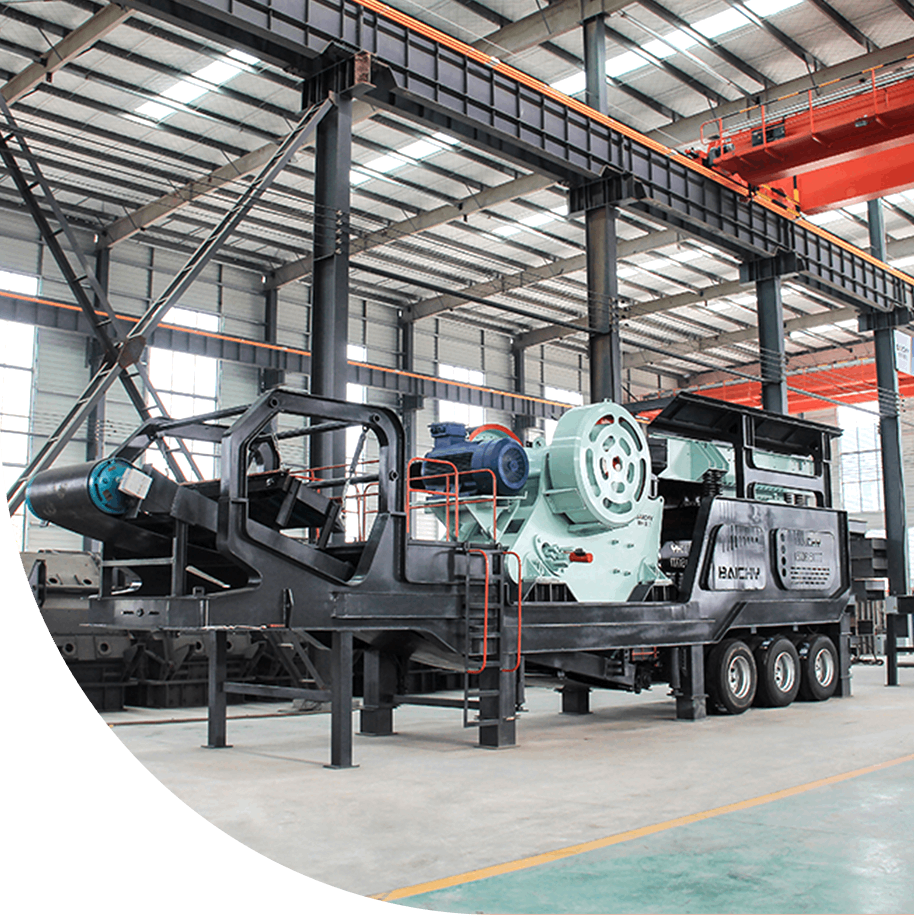
Vibrating screens are crucial equipment used in a wide range of industries to separate materials into various sizes or grades. They are commonly used in mining, construction, and aggregate industries to improve material handling efficiency. By utilizing high-frequency vibrations, these screens can separate particles based on size, providing a cost-effective solution for material classification.
I. Types of Vibrating Screens
There are several types of vibrating screens, each designed for specific applications. The most common types include linear vibrating screens, circular vibrating screens, and elliptical vibrating screens. Linear vibrating screens offer precise separation and are typically used in bulk material processing. Circular vibrating screens provide a more efficient separation of materials and are ideal for large-scale screening. Elliptical vibrating screens are a hybrid type, offering the benefits of both linear and circular screens, making them versatile for a wide range of materials.

II. How Vibrating Screens Work
Vibrating screens work by generating high-frequency vibrations that cause the material to move and pass through mesh openings. As the material moves across the screen, smaller particles fall through the mesh while larger particles are retained. The mesh size can be adjusted depending on the material's requirements, providing a customizable solution for various industries.
III. Benefits of Vibrating Screens
The primary benefits of vibrating screens include improved material handling, increased processing capacity, and higher product quality. These screens help improve the separation of materials, leading to reduced waste and enhanced production efficiency. Additionally, vibrating screens are energy-efficient, require minimal maintenance, and are designed to handle tough and abrasive materials, making them a long-term investment for businesses.

IV. Applications of Vibrating Screens
Vibrating screens are used in a variety of applications, including separating crushed stone, sand, gravel, and ores in mining operations. They are also used in the aggregate industry to screen materials like asphalt and concrete. Other applications include the food processing, chemical, and recycling industries. Vibrating screens are versatile machines that can be customized to meet the unique needs of different industries, from heavy-duty tasks to delicate material handling.
When selecting a vibrating screen for your operation, it's essential to consider factors such as the material being processed, the required throughput, and the screening efficiency needed. The type of vibrating screen chosen will depend on the specific application and the desired results. Consulting with experts or manufacturers can help you select the right vibrating screen to improve your material processing capabilities.
Q: What is the difference between linear and circular vibrating screens?
A: Linear vibrating screens provide straight-line motion, making them ideal for precise material separation. Circular vibrating screens generate circular motion and are better suited for larger quantities of materials that need to be separated efficiently.
Q: How can I maintain my vibrating screen to ensure it operates efficiently?
A: To maintain a vibrating screen, regularly check for wear and tear, especially on the mesh and springs. Ensure that the machine is properly lubricated and inspect the motor and bearings for any signs of damage. Cleaning the screen and adjusting the mesh tension can also improve performance.
Q: Are vibrating screens energy-efficient?
A: Yes, vibrating screens are generally energy-efficient due to their simple mechanical design. They use less power compared to other material separation technologies, which helps reduce operational costs.