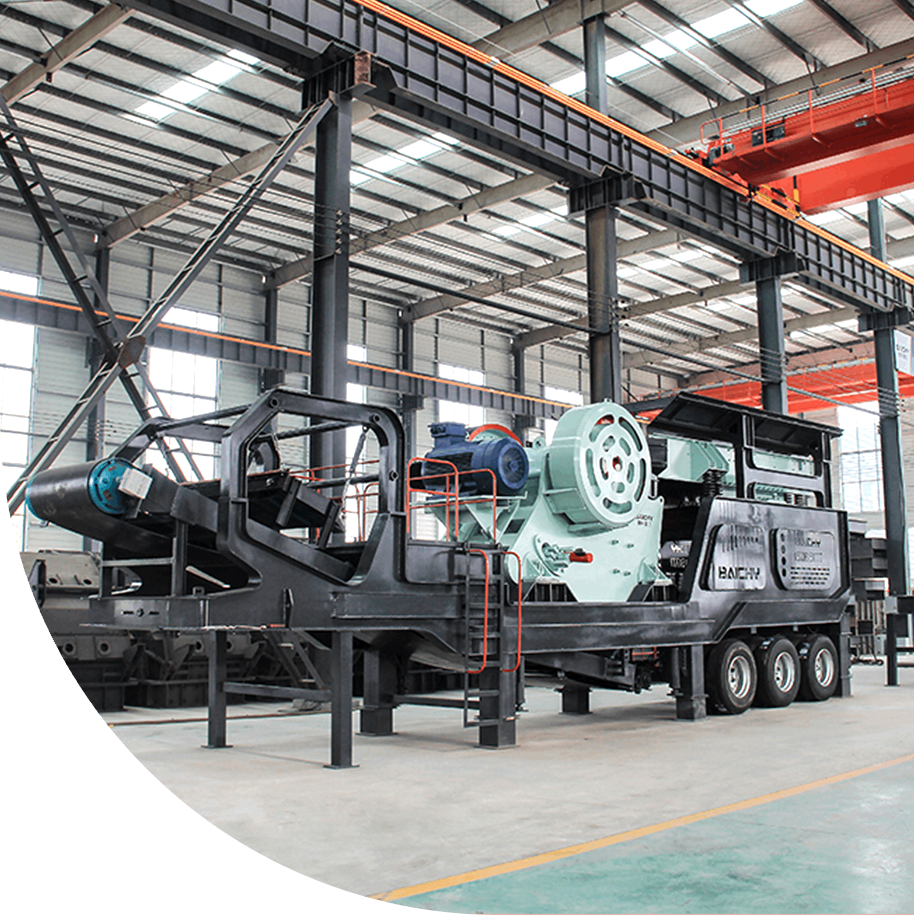
PF Impact Crusher: When the Investment Pays Off — and When It Does Not
"Why invest in an impact crusher" is the wrong first question. The right one is: what are you crushing, and how abrasive is it? A PF impact crusher can be the cheapest way to make saleable aggregate, or the most expensive machine on site, and the difference is almost entirely the silica content of the rock.
This article explains what the machine does mechanically, where it genuinely wins, where a jaw and cone circuit beats it, and which numbers decide the payback.
I. How It Breaks Rock
A rotor carries blow bars and turns at speed. Rock entering the chamber is struck, thrown against impact plates, and broken again as it rebounds. The machine breaks material along its existing flaws rather than squeezing it — which is why a single pass produces both a high reduction ratio and a cubical shape.
• Rotor and blow bars deliver the energy. Bar metallurgy and rotor speed set the balance between shape and wear.
• Impact plates control the reduction and the top size, adjusted by gap.
• Grinding path, where fitted, adds a final rub that improves shape and raises the fines share.
• Openings in the frame give access to the bars — a detail that decides how long a bar change takes, and therefore how much availability you actually get.
II. Single Pass Versus Two Stages
| Item | PF impact, single stage | Jaw plus cone, two stages |
| Stages to finished size | One | Two, plus screens |
| Particle shape | Cubical, low flakiness | Good, more elongated |
| Wear cost driver | Blow bars, proportional to silica | Mantle and jaw plates, slower wear |
| Best rock | Limestone, dolomite, concrete rubble | Abrasive igneous rock, river gravel |
The one-stage advantage is structural, not cosmetic. One machine, one drive, one maintenance point, and no inter-stage conveyor or screen — which is also why an impact plant fits a smaller footprint and starts producing sooner.

III. Where It Genuinely Wins
1.Shape is the product
Concrete aggregate and asphalt stone are bought on shape and flakiness as much as on grading. An impact crusher sells a cubical product that a compression crusher has to work harder to match.
2.Reduction in one pass
Large feed to saleable size without a second machine. Where the rock allows it, this removes capital, foundations, conveyors and an entire maintenance category.
3.Fast product changes
Gap adjustment plus rotor speed moves the grading curve in minutes. On a plant serving several specifications, that flexibility is worth more than a marginally lower wear cost.
4.Recycling and softer rock
Concrete rubble, asphalt and limestone are close to ideal feed. The reinforcement and contaminants that ruin a jaw are handled with the right chamber and discharge arrangement.
5.Lower civil cost per tonne installed
A single-stage plant needs less structure and less plot. On a site with a tight footprint or a short permit life, that can outweigh a higher wear bill.
IV. Where It Loses Money
• Abrasive rock. High quartz content grinds blow bars rather than breaking rock. Wear cost per tonne, not purchase price, is what makes an impact crusher expensive — and it is invisible in a quotation.
• Very hard, competent rock. Energy goes into rebound and wear instead of fracture, so throughput falls while consumption rises.
• Wet, sticky feed. Clay bridges the chamber and the discharge, and cleaning it costs production hours.
• Fines-sensitive specifications. Impact breakage produces more fines than compression. If the product must be low-fines, that surplus is a cost, not a by-product.
• Feed that is too large or too uniform. Oversized lump reduces capacity sharply, and a tightly graded feed wastes the reduction advantage you paid for.
V. The Numbers That Decide Payback
• Blow bar cost per tonne of product, quoted against your rock — the single most useful figure a supplier can give you.
• Bar change time and access, converted into lost production hours per change.
• Installed power per tonne produced, compared with the two-stage alternative including its conveyors and screens.
• Product value uplift from shape. If cubical aggregate earns a better price in your market, that difference belongs in the comparison.
• Downtime for bar changes at the tonnage you actually expect, not at the nameplate rate.

VI. Settings That Move the Result
• Rotor speed. Higher speed means more impacts, better shape and more fines — with faster wear. It is the main trade an operator makes daily.
• First and second impact plate gaps. Set the reduction sequence. Closing the second gap without opening the first overloads the chamber.
• Feed control. A continuous, evenly distributed feed protects the rotor; surge feeding produces both poor shape and premature bar failure.
• Bar rotation. Turning bars on schedule, rather than when they are worn out, keeps the product consistent and the rotor balanced.
• Discharge and dust control. An impact chamber moves a lot of air; without containment the fines leave as dust rather than product.
Frequently Asked Questions About PF Impact Crushers
Q: Can a PF impact crusher crush granite or basalt?
A: It can, but the wear rate usually makes it uneconomic compared with a jaw and cone. The question is not whether it works, but what the blow bars cost per tonne on that rock.
Q: What reduction ratio can it achieve in one pass?
A: It is high compared with compression crushers, but the usable figure depends on feed size, rotor speed and the product curve you need. Ask for a curve for your rock rather than a headline ratio.
Q: How often do blow bars need changing?
A: It is governed by abrasive content, not by calendar time. Track tonnes per bar set from day one — that record becomes the basis for every operating cost forecast afterwards.
Q: Impact crusher or cone crusher for secondary crushing?
A: Cone for abrasive, hard rock and lowest wear cost; impact for shape, reduction and softer or recycled material. Many plants use both, with the impact machine making the shaped product.
Q: Why does my product contain more fines than expected?
A: Usually rotor speed set high for shape, or a grinding path in use when it is not needed. Both raise the fines share — reduce them before changing the plates.
For rotor sizes, feed openings and blow bar options, see the PF impact crusher range.