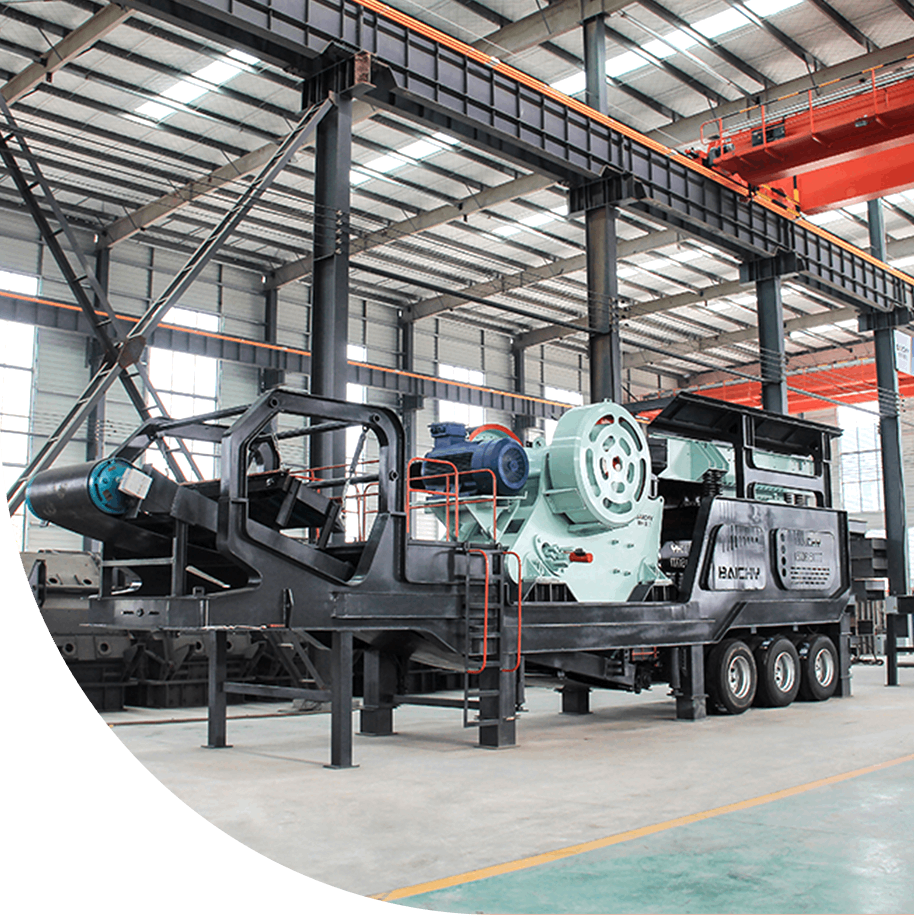
The rotary kiln is a cylindrical high-temperature processing unit designed for continuous material treatment. Its rotating drum provides uniform heat distribution, allowing efficient chemical reactions for cement clinker production, mineral calcination, and other industrial applications. The kiln is suitable for large-scale projects requiring continuous, high-capacity processing.
I. High-Temperature Processing Efficiency
The kiln operates at temperatures ranging from 800°C to 1,500°C depending on material requirements. Advanced burners and thermal insulation ensure energy-efficient operation, reducing fuel consumption while maintaining consistent product quality. Its controlled atmosphere allows precise processing for materials with strict thermal sensitivity.
II. Robust and Durable Construction
Constructed from high-quality steel with refractory lining, the rotary kiln can withstand high temperatures, heavy loads, and continuous operation. Components such as bearings, tires, and rollers are designed for long-term durability, reducing maintenance costs and ensuring reliable performance on-site.
III. Versatile Material Adaptability
Rotary kilns can process a wide variety of materials, including cement raw materials, limestone, bauxite, kaolin, and other minerals. Adjustable feed rates and rotation speeds allow operators to optimize retention time and ensure uniform treatment for different materials.
IV. On-Site Installation and Operational Flexibility
The
rotary kiln can be integrated into complete production lines, including preheaters, coolers, and feeding systems. Modular design and precise control systems allow flexible on-site installation, easy monitoring, and smooth operation even in large industrial sites or remote locations.
The rotary kiln provides continuous, high-quality processing with low energy consumption and minimal downtime. Its robust design, efficient burners, and precise control systems reduce operational costs and maintenance, ensuring long-term productivity for cement, mineral, and industrial processing projects.
Frequently Asked Questions About rotary kiln
Q: What materials can a rotary kiln process?
A: It can handle cement raw materials, limestone, bauxite, kaolin, gypsum, and other industrial minerals.
Q: What is the temperature range of a rotary kiln?
A: Depending on the material, it operates from approximately 800°C to 1,500°C.
Q: Can the rotary kiln be integrated into a complete production line?
A: Yes. It can work with preheaters, coolers, feeders, and conveyors for seamless on-site production.
Enhance Your Material Handling Efficiency Today – Contact Our Experts for Customized solutions.