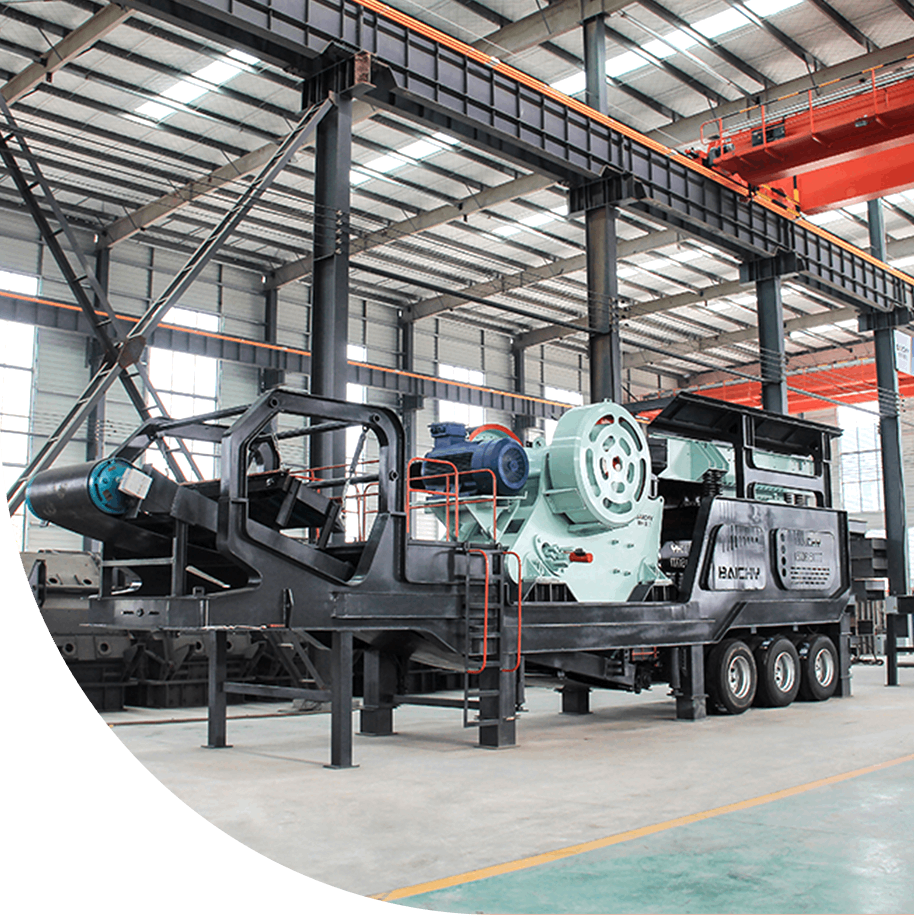
Both YK vibrating screens and trommel screens are essential for material screening in industries like mining, construction, and recycling. However, their design and operation are quite different. YK vibrating screens use vibration to separate materials, while trommel screens use a rotating drum. These differences in design affect their performance, efficiency, and suitability for specific applications.
I. How YK Vibrating Screens Work
YK vibrating screens operate by generating a vibrating motion through a set of springs and a vibrating motor. This motion causes the material to move across the screen surface, with smaller particles passing through the mesh openings while larger particles are retained. Vibrating screens are ideal for applications where fine particle separation is required and are commonly used for screening dry materials like sand, gravel, and aggregates.

II. How Trommel Screens Work
Trommel screens, on the other hand, use a rotating cylindrical drum to separate materials based on size. As material enters the drum, it is agitated by the rotation, and smaller particles fall through the perforated holes while larger particles continue to move along the drum until they exit. Trommel screens are suitable for applications where larger particles need to be separated from smaller ones and are often used for wet or sticky materials like compost or mining ore.
III. Benefits of YK Vibrating Screens
YK vibrating screens offer high screening efficiency, particularly for fine particle separation, making them ideal for dry materials such as sand, gravel, and aggregates. They are more energy-efficient compared to trommel screens, resulting in lower operational costs. Additionally, YK vibrating screens have a simple design, requiring less maintenance, and are suitable for operations that demand high throughput and minimal maintenance.

IV. Benefits of Trommel Screens
Trommel screens are well-suited for processing wet, sticky, or muddy materials, as the rotating drum helps prevent blockages and ensures efficient separation. They are highly effective for handling large, bulky materials, especially in mining and recycling industries. Trommel screens offer flexibility with customizable screen sizes, making them ideal for large-scale operations and various material types.
Choosing between a YK vibrating screen and a trommel screen depends on the type of material you are processing, your specific operational needs, and your screening requirements. If you need precise separation of fine particles or are working with dry materials, a YK vibrating screen might be the better choice. On the other hand, if you're dealing with wet, sticky materials or need to process large volumes of bulk material, a trommel screen would likely be more efficient.
Q: What is the main difference between a YK vibrating screen and a trommel screen?
A: The main difference lies in their design and operation. YK vibrating screens use vibration to move material across the screen, while trommel screens rely on a rotating drum to separate materials based on size.
Q: Which screen is better for wet materials?
A: Trommel screens are better suited for wet, sticky, or muddy materials, as the rotating drum helps prevent blockages and allows for efficient separation.
Q: Can a YK vibrating screen handle larger materials?
A: YK vibrating screens are typically designed for finer materials and may not be as effective for larger, bulkier materials as trommel screens.