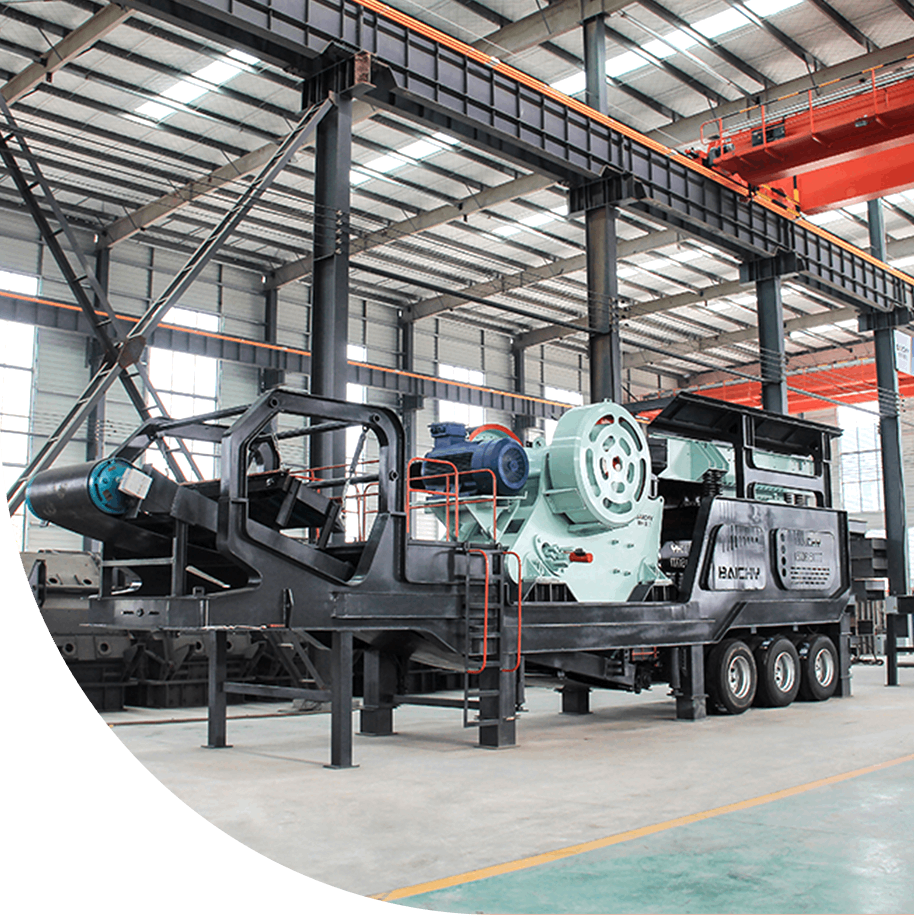
In the global non-metallic mineral deep processing, chemical raw material grinding and building materials powder manufacturing sectors, high-quality fine powder is an indispensable raw material for downstream finished products. As a classic vertical roller grinding device, the Raymond mill stands as core processing machinery within the powder processing industry. It specializes in pulverizing medium-low hardness non-metallic mineral ores into uniform fine powder, and the finished powder materials produced can be directly applied to dozens of industrial production chains, occupying an irreplaceable position in mineral powder processing workflows.
I. Stable Operation and Mature Technology
The Raymond mill has gone through decades of iterative optimization and field industrial verification since its initial launch. Its internal grinding roller, grinding ring, fan and classification assembly technology have been fully matured. The mechanical matching structure is reasonably optimized, which effectively lowers failure rates of core wearing parts. The equipment supports long-hour uninterrupted continuous grinding work, with extremely short maintenance shutdown time, greatly improving the overall operation stability and production continuity for powder factories.
II. Adjustable Fineness for Different Requirements
This grinding machine is equipped with a high-precision analytical classifier installed on the top of the main unit. Operators can flexibly adjust the rotating speed of the classifier and the air volume of the circulating fan according to different downstream product standards. The finished powder fineness can be modified within a wide range without replacing extra accessories. It can meet diverse fineness indicators required by coatings, fillers, chemical raw materials and construction materials manufacturers.
III. Energy-Saving Design Reduces Production Cost
Compared with old-fashioned ball mills and other traditional grinding equipment on the market, the upgraded Raymond mill adopts an optimized air circulation system and lightweight wear-resistant grinding assembly. Under the same hourly powder output, its overall power consumption is significantly cut down. Lower electricity consumption directly reduces daily energy expenditure for manufacturers, helping enterprises achieve long-term energy conservation and cost control during mass powder processing.
IV. Wide Applications Across Industries
The
Raymond mill boasts strong raw material compatibility and extensive application coverage. It is the preferred grinding equipment for processing limestone, calcite, barite, gypsum, talc, marble and kaolin. The processed mineral powder is widely adopted in construction material manufacturing, papermaking filler, chemical industry, pharmaceutical auxiliary materials, coating raw materials and environmental desulfurization powder production fields.
Against the backdrop of intelligent manufacturing transformation in the mining machinery sector, the new generation Raymond mill is constantly advancing toward full automation and digitalization. More intelligent configurations such as automatic quantitative feeding devices, real-time PLC monitoring systems, remote fault diagnosis modules and automatic dust cleaning assemblies are being integrated into complete sets. Intelligent upgrades reduce manual operation reliance, realize unmanned workshop management and become the mainstream development direction of powder grinding equipment in the future.
Frequently Asked Questions About Raymond Mill
Q: What materials can Raymond mill process?
A: Raymond mill is mainly designed for medium and low hardness non-metallic minerals. It can grind limestone, calcite, barite, gypsum, talc, marble, kaolin and other ores, and the finished powder can be used in building materials, chemical industry, papermaking, environmental protection desulfurization and other fields. Hard rocks with Moh’s hardness above 7 are not suitable for this machine.
Q: Can we adjust the powder fineness produced by Raymond mill?
A: Yes. The machine is equipped with a high-precision classifier and circulating fan. Workers can change the classifier rotation speed and air volume to adjust finished fineness within a large range without replacing spare parts, meeting different fineness standards of downstream industries.
Q: What advantages does Raymond mill have over ball mills?
A: Compared with traditional ball mills, optimized Raymond mill features lower overall power consumption under the same output, smaller floor space, simpler structure and fewer wearing parts. It cuts daily electricity cost and maintenance expense, greatly lowering long-term powder production cost.
Enhance Your Material Handling Efficiency Today – Contact Our Experts for Customized solutions.