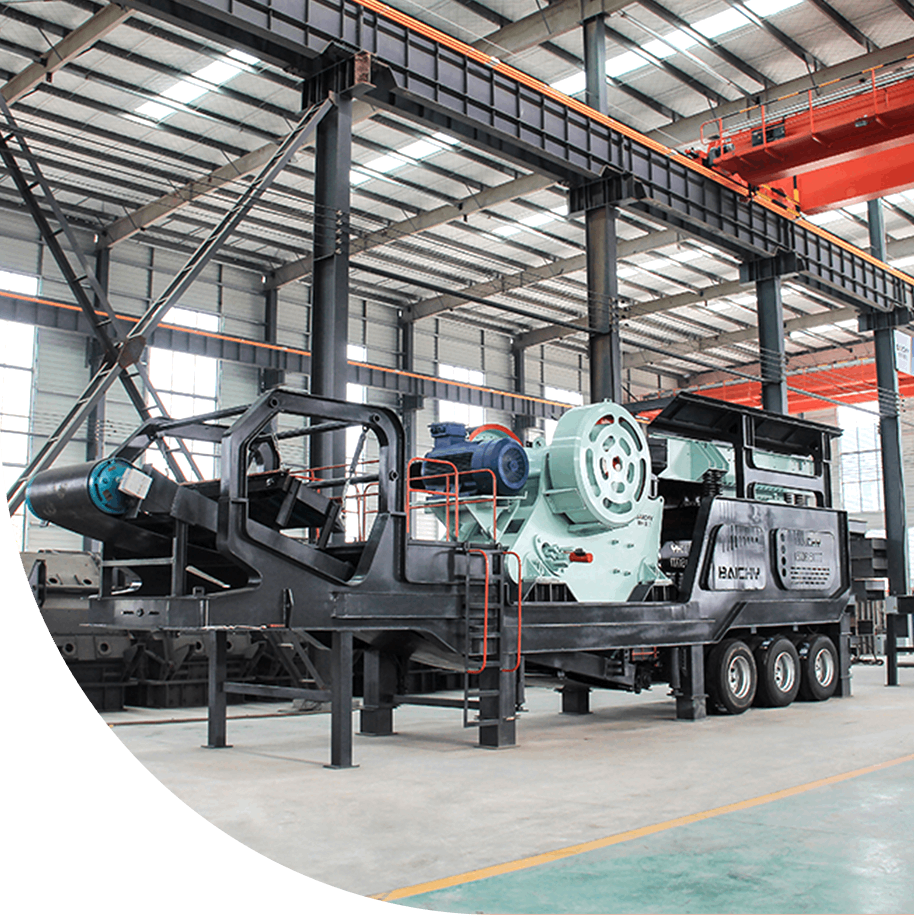
In the aggregate and mining industry, the jaw crusher is often considered the starting point of a successful crushing operation. As a primary crushing machine, it reduces large rocks and ores into smaller, manageable sizes for further crushing, screening, recycling or direct use. Its simple structure, reliable performance and wide material compatibility make it one of the most widely used crushers in modern crushing plants.
When selecting a jaw crusher, buyers should evaluate the actual requirements of the crushing project rather than focusing only on equipment price. Key factors include the maximum feed size, required discharge size, processing capacity, material hardness and abrasiveness. These parameters determine the appropriate jaw crusher model and help ensure efficient operation of the complete production line.
I. Quality Certification and Manufacturing Standards
Equipment quality is an important consideration when choosing a jaw crusher manufacturer. International certifications such as CE and ISO 9001 can provide additional assurance regarding manufacturing and quality management processes. Buyers should also evaluate the actual construction quality of the crusher, including its frame, crushing chamber, flywheel, bearings and drive system.
II. Professional Technical Support Improves Equipment Performance
Reliable technical support is an essential part of a complete crushing equipment solution. Jaw crusher performance depends not only on the machine itself but also on correct equipment selection, installation, commissioning and operation. An experienced manufacturer should provide process design, equipment selection, installation guidance, commissioning support, operator training and after-sales service.
| Parameter |
Specification / Description |
| Equipment |
Jaw Crusher |
| Main Application |
Primary and secondary crushing |
| Suitable Materials |
Granite, basalt, limestone, river pebble, ore and other rocks |
| Crushing Principle |
Compression crushing |
| Feed Size |
Selected according to crusher model and material |
| Discharge Size |
Adjustable according to production requirements |
| Capacity |
Selected according to model and required throughput |
III. Wear Parts Affect Service Life and Crushing Efficiency
Jaw plates and side plates are important wear components that directly contact the material during crushing. Their wear resistance has a significant impact on maintenance intervals and operating costs. High-quality wear parts should provide good abrasion resistance and maintain the appropriate crushing profile. Regular inspection and timely replacement can help maintain crushing efficiency and product size consistency.
IV. Baichy Jaw Crushers Support Global Aggregate Projects
Baichy provides
PE-series coarse jaw crushers and PEX-series jaw crushers for different primary and secondary crushing applications. The equipment can be integrated with cone crushers, impact crushers, vibrating screens, sand-making machines and conveyors to form complete aggregate production lines. With equipment selection, process design, manufacturing, commissioning guidance, spare parts supply and technical support, Baichy provides customized crushing solutions for customers worldwide.
Frequently Asked Questions About the Jaw Crusher
Q: What is a jaw crusher used for?
A: A jaw crusher is mainly used for primary crushing, reducing large rocks and ores into smaller sizes for further processing, screening or direct use.
Q: How do I choose the right jaw crusher model?
A: Model selection depends mainly on maximum feed size, required capacity, discharge size, material hardness and abrasiveness.
Q: What is the difference between PE and PEX jaw crushers?
A: PE jaw crushers are generally used for coarse and primary crushing, while PEX jaw crushers are designed for secondary crushing and finer discharge sizes.
Enhance Your Material Handling Efficiency Today – Contact Our Experts for Customized solutions.