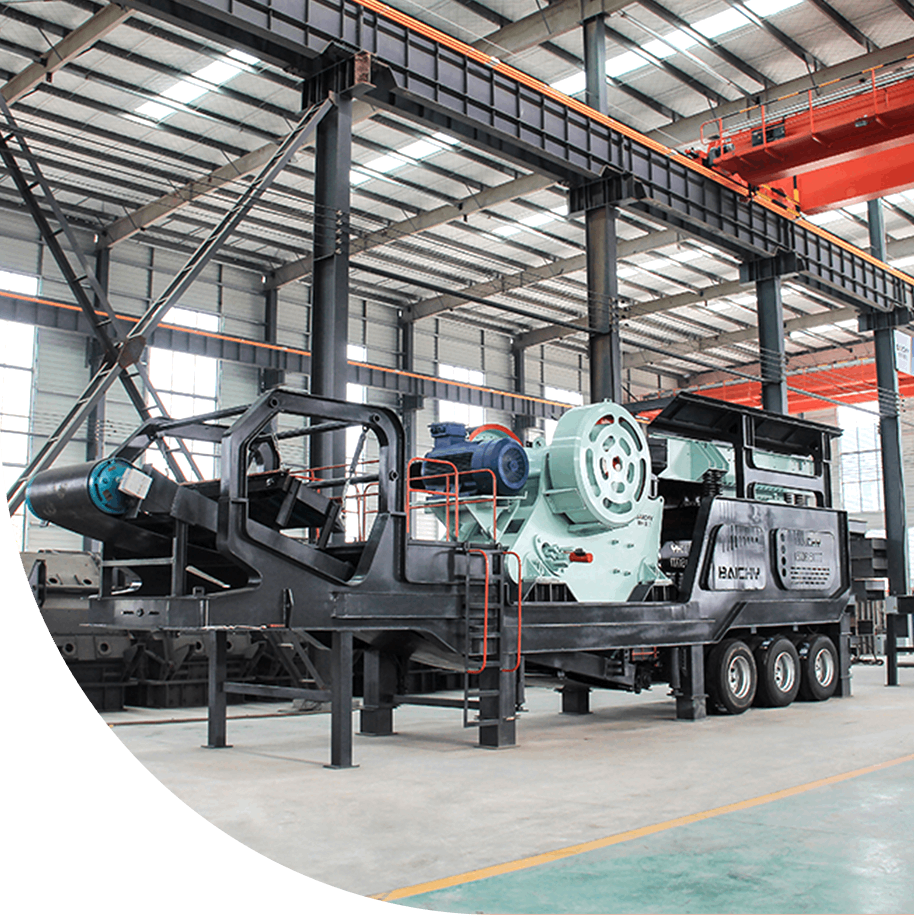
In the grand symphony of mineral processing, aggregate production, and construction waste recycling, the jaw crusher is undoubtedly the powerful opening overture. As the most traditional and classic primary crushing equipment, its performance directly determines the efficiency, energy consumption, and final product quality of the entire production line. Faced with the dazzling array of models and technical parameters on the market, how do you navigate the complexities and make the wisest and most reliable choice? This is the first and crucial step towards your investment success.
As a manufacturer with twenty years of experience in the mining crushing field, we deeply understand what a reliable jaw crusher means to our customers—it means stable uptime, controllable production costs, and long-term peace of mind. Today, drawing on our expertise and experience, we will analyze the core dimensions you must consider when choosing an ideal jaw crusher.

I. Needs Assessment: The Cornerstone of All Choices
Before choosing equipment, be sure to answer these key questions:
What material will be crushed? Is it hard granite, highly abrasive basalt, or recycled construction concrete? The hardness, abrasiveness, moisture content, and clay content of the material determine the material of the jaw plates (such as high manganese steel, alloy steel) and the design focus of the machine model.
What is the target output? How many tons of raw materials need to be processed per hour? This directly relates to the size of the crusher model (feed opening size) and the power configuration of the main motor. Avoid "underpowering" or over-investing.
What are the requirements for the final product particle size? What discharge particle size do you need? Is it for feeding a secondary cone crusher, or directly as finished aggregate? This determines the adjustment range of the discharge opening.
II. Core Performance Indicators: Uncompromising Hard Power
Once your needs are clear, you can focus on the equipment itself. Please pay close attention to the following points:
Structure and Durability: The frame is the "skeleton" of the crusher. Observe whether it is made of integral cast steel or high-quality steel plate welding, and whether the structure is strong enough to withstand huge cyclic impact loads. A machine lacking sufficient rigidity will have significantly reduced service life and stability.
Moving Jaw and Bearings: The moving jaw is the "heart," and high-strength cast steel is the foundation. The bearings are like the "joints," and must be large, high-load capacity rolling bearings to ensure smooth operation, low temperature rise, and long service life.
Jaw Plate Design and Material: The jaw plates are the "teeth" that directly participate in crushing. Excellent tooth profile design can improve crushing efficiency and reduce plate wear. In terms of materials, the most suitable high-wear-resistant alloy should be selected according to the material being processed. This is key to reducing the cost of wear parts in your long-term operation.
Adjustment and Safety Devices: Can the discharge opening be easily and quickly adjusted using hydraulic or wedge methods? Is the tramp iron protection device (such as a hydraulic linkage or toggle plate) sensitive and reliable, able to quickly release when encountering unbreakable foreign objects, protecting core components from catastrophic damage?
III. Beyond Parameters: Hidden Value and Long-Term Partnership
When technical parameters are similar, the real difference often lies in details and soft power:
Manufacturing Process and Quality Control: Precision machining and assembly are the guarantee of smooth operation and reduced vibration. Behind this is the manufacturer's years of accumulated "craftsmanship" and strict quality management system.
Parts Supply and Technical Support: A machine needs to operate for ten years or even longer. Can the manufacturer provide you with timely, original-quality spare parts support? Do they have a professional team of engineers who can provide you with full-cycle services from installation and commissioning, operation training to preventive maintenance?
Innovation and Improvement: Excellent manufacturers continuously draw on experience from customer sites and continuously optimize their equipment. For example, optimizing the crushing chamber shape to obtain better particle shape, and improving the lubrication system to ensure sufficient lubrication at key points.

Choosing a jaw crusher is far more than just buying a steel machine; it's choosing a "long-term partner" whose fate is intertwined with your production line, and the technical expertise, responsibility, and commitment of the manufacturer behind it. Before you make a decision, you might want to ask one more question: Has every design detail of this equipment been verified by time and a large number of working conditions?
Q1: What are the most critical factors to consider when choosing a jaw crusher for primary crushing?
A: The three most critical factors are: 1) Material Characteristics (hardness, abrasiveness, moisture content); 2) Required Capacity (tons per hour); and 3) Feed and Product Size (maximum feed size and desired output gradation). As a manufacturer with 20 years of experience, we also strongly advise evaluating the crusher’s construction quality, bearing configuration, and ease of maintenance for long-term reliability.
Q2: How do I determine the right size and model of a jaw crusher for my production needs?
A: The correct size is primarily determined by your target hourly tonnage and the maximum feed size of your raw material. Our engineering team typically uses your project’s specific data—such as material type, bulk density, and desired product size—to recommend the optimal model and chamber design. We provide detailed capacity charts and can often arrange a test with your material for the most accurate recommendation.
Q3: What kind of maintenance does a primary jaw crusher require, and how can I minimize downtime?
A: Regular maintenance focuses on: 1) Wear Parts: Monitoring and rotating/replacing jaw plates to ensure optimal crushing efficiency and even wear; 2) Lubrication: Following strict intervals for greasing bearings; 3) Fasteners: Regularly checking tightening torques on bolts and wedges. Choosing a crusher with hydraulic adjustment and easy-access designs for wear parts can drastically reduce routine maintenance time. Our crushers are designed with serviceability as a priority.
Q4: Why is the design of the crushing chamber and jaw plates so important?
A: The chamber geometry and jaw plate profile directly determine crushing efficiency, product shape, and wear life. An optimized chamber ensures proper nip angle (the angle between the fixed and moving jaws) for effective gripping and crushing, reducing slippage and power waste. The correct jaw plate tooth profile enhances production and yields a more cubical product. We offer various chamber designs and plate options tailored for different materials (e.g., for abrasive rock or recycled concrete).
Q5: As a manufacturer with 20 years of experience, what is your key advice for ensuring a long service life from a jaw crusher?
A: Beyond choosing a robustly built machine, our foremost advice is: "Operate within the crusher's designed parameters." Avoid feeding it oversized material, ensure even distribution across the inlet, and never let it run under choke-fed conditions for extended periods. Pair this with a disciplined, preventive maintenance schedule using genuine wear and spare parts. A well-operated and maintained jaw crusher from a quality manufacturer is a 20-30 year asset for your plant.