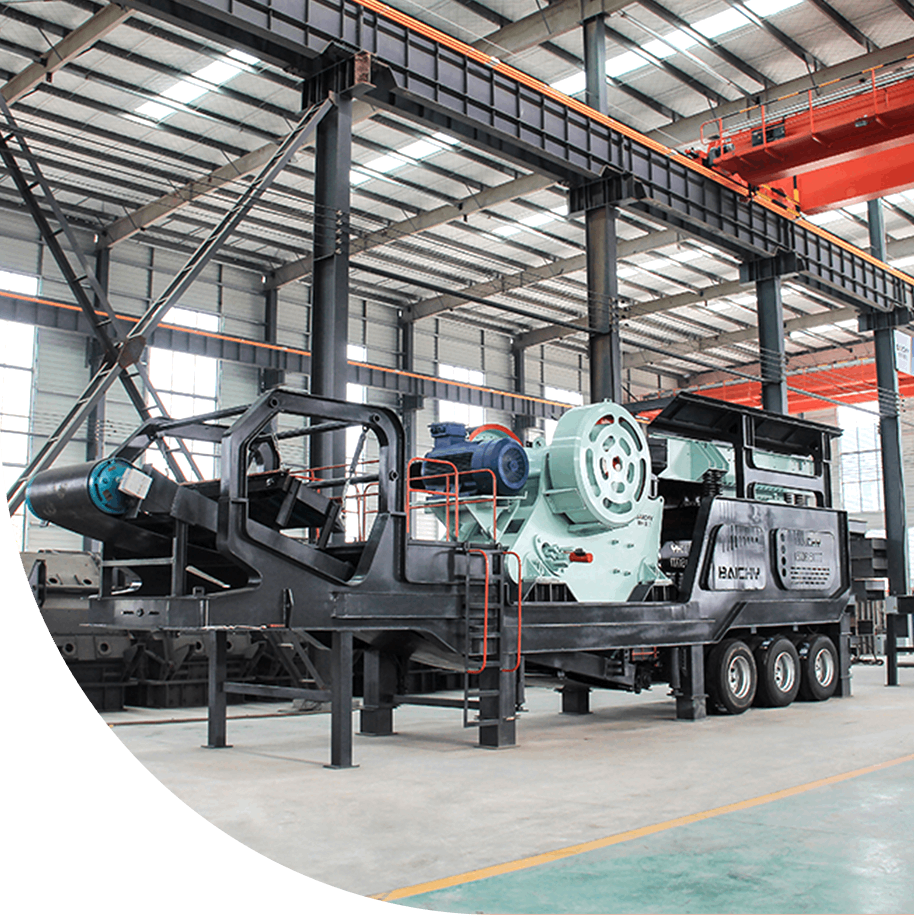
Vertical Mills have become an important grinding solution in cement, mining and industrial powder processing. Compared with conventional mills, the vertical grinding principle improves material retention and grinding efficiency, helping users achieve stable powder quality and efficient production.
One of the major advantages of a Vertical Mill is its ability to process large quantities of material continuously. High production capacity makes it suitable for cement plants, mineral processing operations and industrial powder production lines where output and reliability are critical.
I. Energy-Saving Design Reduces Operating Costs
Modern Vertical Mills are designed to improve energy utilization during grinding. Combined with dynamic classifiers and efficient separation systems, they can reduce power consumption while maintaining stable product fineness, helping lower production costs.

II. Lower Costs Support Sustainable Development
Reduced energy use not only lowers operating expenses but also contributes to more environmentally friendly production. Vertical Mills help manufacturers meet increasing requirements for energy efficiency and sustainable industrial development.
| Parameter | Specification / Description |
| Equipment Type | Vertical Mill / Vertical Roller Mill |
| Main Applications | Grinding and powder production |
| Processing Materials | Limestone, slag, gypsum, calcite, coal, clinker and minerals |
| Principle | Material bed grinding with grinding rollers |
| Product Fineness | Adjustable according to process requirements |
| Production Capacity | Depends on mill model and material characteristics |
| Key Advantages | High capacity, energy saving, stable fineness and low operating cost |
III. Future Development Focuses on Automation
The next generation of Vertical Mills will integrate more intelligent control systems, automated operation and remote monitoring technologies. These improvements will further increase reliability, efficiency and productivity in modern grinding plants.

IV. Vertical Mills Continue to Shape Modern Grinding Plants
With advantages in capacity, energy efficiency and product quality, Vertical Mills have become key equipment in cement, mining and industrial powder processing. Their role will continue to expand as industries demand more efficient and sustainable production solutions.
Frequently Asked Questions About the Vertical Mill
Q: What factors affect Vertical Mill performance?
A: Material hardness, moisture content, feed size, grinding pressure and operating conditions can influence performance.
Q: Does a Vertical Mill support intelligent control?
A: Yes. PLC systems, monitoring devices and automated controls can be integrated.
Q: How should a Vertical Mill be maintained?
A: Regular inspection, lubrication and timely replacement of wear parts are important for stable operation.
Enhance Your Material Handling Efficiency Today – Contact Our Experts for Customized solutions.