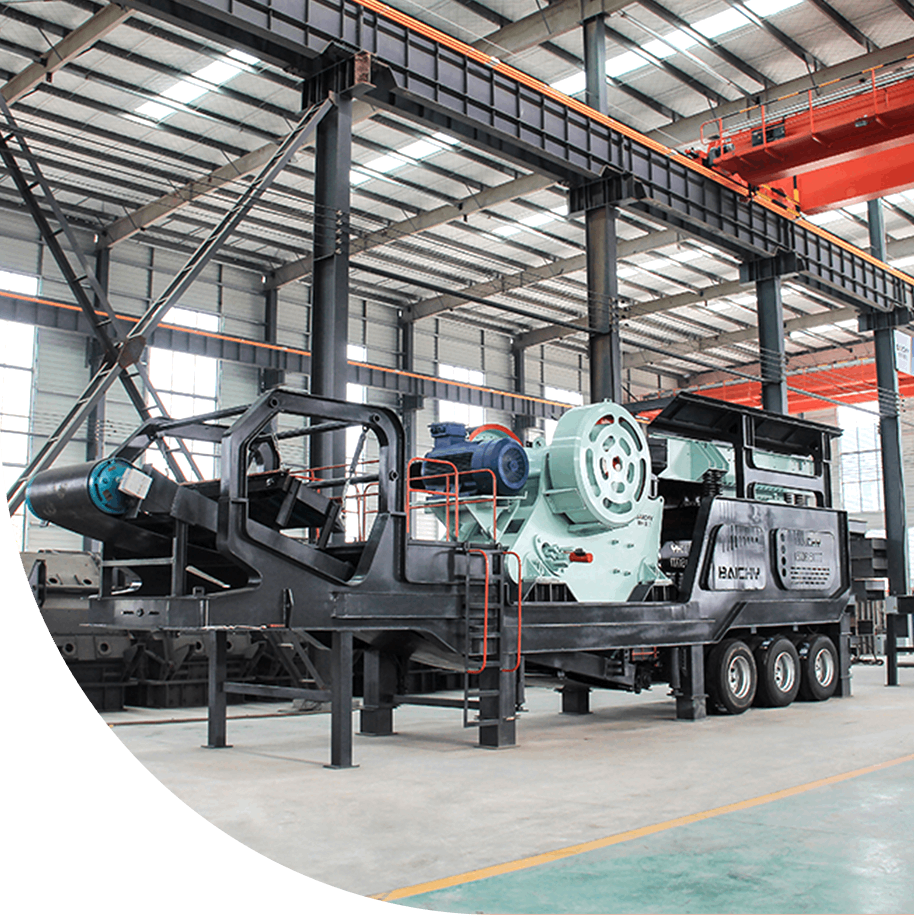
A jaw crusher is a robust and efficient machine used in primary crushing stages. It operates by applying compressive force to large materials, which are crushed between a fixed and a moving jaw. Jaw crushers are particularly effective for crushing hard and abrasive materials such as rocks, ore, and minerals, making them a staple in industries like mining, construction, and aggregate production. Their simple yet effective design makes them one of the most widely used crushers in the world.
I. How Does a Jaw Crusher Work?
The working principle of a jaw crusher is straightforward. Material enters the crusher through a hopper and is crushed between two jaw plates. The fixed jaw remains stationary, while the moving jaw moves back and forth, creating a crushing motion that breaks down the material. As the material is compressed between the jaws, it is fractured and reduced to a smaller size. The output size can be adjusted by modifying the gap between the jaws, offering flexibility in the crushing process.

II. Why Jaw Crushers Are Essential for Primary Crushing
Jaw crushers are essential in primary crushing because of their ability to handle large, hard materials. They are designed to break down bulk materials into smaller, more manageable sizes for further processing. Their robust construction allows them to withstand heavy-duty applications, providing long-term durability and reliability. In mining, jaw crushers are used to crush ore before it undergoes secondary crushing, while in construction, they help break down large rocks and stones into usable aggregates.
III. Applications of Jaw Crushers
Jaw crushers are widely used across multiple industries for primary crushing. In mining, they reduce large ore samples into smaller, more manageable pieces for further processing. In construction, jaw crushers are used to break down large stones into aggregates for roadwork and infrastructure projects. Additionally, they are utilized in recycling operations to process materials such as concrete, bricks, and asphalt into reusable aggregates. They are also crucial in aggregate production, where they crush sand, gravel, and crushed stone for use in concrete and asphalt manufacturing.

IV. Advantages of Using a Jaw Crusher
Jaw crushers offer numerous advantages, including high crushing efficiency, durability, and versatility. They are capable of handling a wide range of materials, from hard ores to soft rocks. Their robust design ensures long-lasting performance with minimal maintenance, making them cost-effective for primary crushing operations. The high efficiency and quick processing times allow jaw crushers to reduce material sizes rapidly, helping to streamline the production process and minimize operational costs.
Regular maintenance is key to ensuring the longevity and optimal performance of jaw crushers. Essential tasks include lubricating moving parts to reduce friction, inspecting wear components like jaw plates and bearings, and adjusting the gap between the jaws to maintain the desired output size. Keeping the crushing chamber clean and free of debris is also important to prevent clogging and ensure smooth operation. Proper maintenance helps minimize downtime and extends the life of the equipment.
Q: How do I maintain a jaw crusher?
A:To maintain a jaw crusher, it is important to lubricate moving parts, inspect wear components, adjust the gap between the jaws, and regularly clean the crushing chamber to ensure efficient performance.
Q: In which industries are jaw crushers used?
A: Jaw crushers are used in mining, construction, recycling, and aggregate production industries to break down large rocks and materials into smaller sizes for further processing.
Q: What are the key benefits of using a jaw crusher?
A: Jaw crushers are efficient, durable, and versatile. They can handle a wide range of materials, offer high efficiency in crushing, and have low maintenance costs, making them a cost-effective choice for primary crushing.