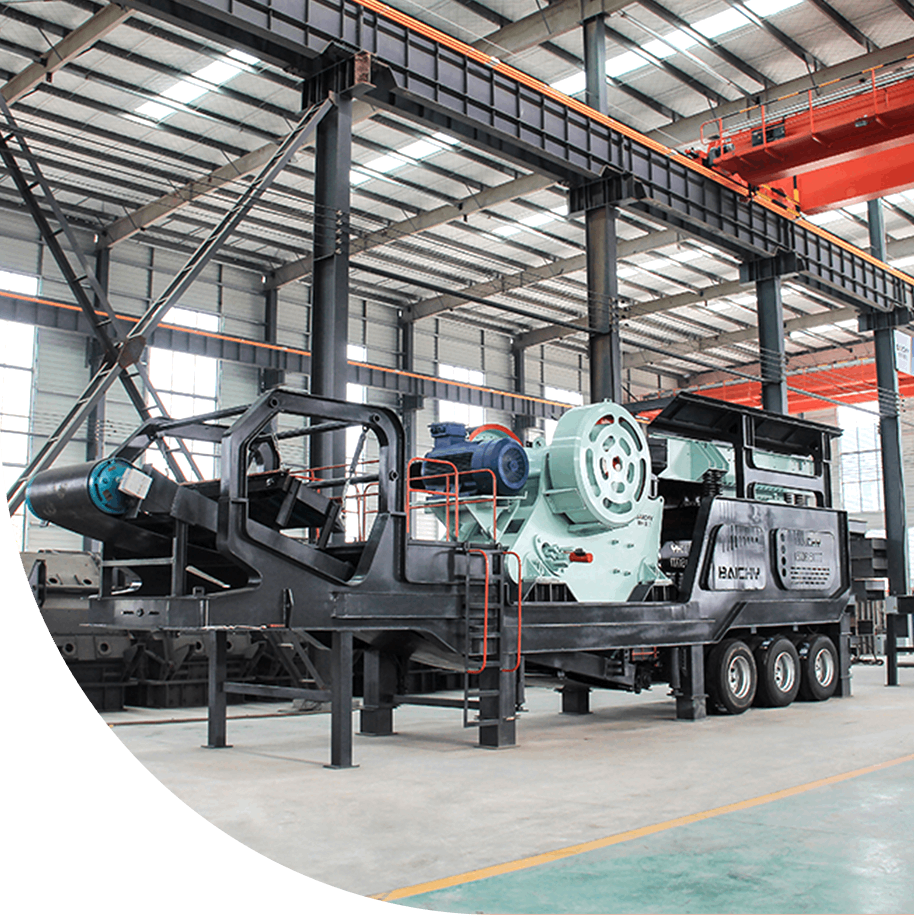
Crushing equipment varies in design and application, including jaw crushers, cone crushers, impact crushers, and hammer crushers. Jaw crushers are widely used for primary crushing of hard and abrasive rocks, providing strong crushing power and durability. Cone crushers are suitable for secondary or tertiary crushing, delivering uniform particle size and high efficiency. Impact crushers are ideal for materials that require shaping, producing cubic aggregates. Hammer crushers, meanwhile, excel in processing medium-hard materials, offering high reduction ratios and relatively simple operation. Understanding these differences is the first step in selecting the right equipment for your project.
I. Analyzing Material Properties
Material characteristics significantly influence crusher selection. Hardness, abrasiveness, moisture content, and particle size determine which crusher type can operate efficiently. Hard rocks like granite or basalt require jaw or cone crushers, while softer materials such as limestone or gypsum may be handled effectively with impact or hammer crushers. Moist or sticky materials may demand specialized feeders and crushers designed to prevent clogging and ensure consistent throughput. A careful assessment of material properties ensures operational reliability and reduces maintenance costs.
II. Evaluating Production Capacity Requirements
Production requirements are another key factor in crusher selection. Feed size, desired output size, and daily processing volume must align with the crusher’s capacity. Choosing equipment with inadequate capacity may cause bottlenecks, while oversizing can lead to unnecessary energy consumption and increased investment. Proper capacity planning guarantees continuous material flow, smooth operation, and optimal cost efficiency. Integrating conveyors, feeders, and screening equipment can further enhance production performance.
III. Operational Efficiency and Energy Considerations
Modern crushing equipment is designed for energy efficiency and ease of operation. Automation systems can adjust crushing settings in real time, optimize material flow, and monitor load to prevent overloads. Low-maintenance designs, durable wear parts, and modular components reduce downtime and repair costs. When evaluating crushers, consider energy consumption per ton of material, ease of maintenance, and availability of spare parts. Efficient operation reduces overall costs and improves the sustainability of the processing plant.
IV. Environmental and Site Considerations
Site conditions and environmental regulations are critical when selecting crushing equipment. Factors such as available space, power supply, noise and dust control, and terrain influence the choice between mobile and stationary crushers. Mobile crushers offer flexibility for construction projects or remote mining operations, while stationary crushers suit large-scale industrial plants. Adequate dust suppression systems and noise reduction measures are essential for compliance with regulations and for safe, environmentally responsible operations.
Investing in
crushing equipment requires consideration of future operational needs. Equipment should be durable, easy to maintain, and compatible with potential capacity expansion. Access to spare parts and technical support ensures long-term reliability. Advanced features like remote monitoring, smart automation, and predictive maintenance enhance productivity and minimize downtime. By planning for scalability and technological upgrades, companies can ensure their crushing equipment remains efficient, cost-effective, and aligned with evolving industry standards.
Q: What types of crushers are available and what are their main uses?
A: Jaw crushers are used for primary crushing of hard rocks, cone crushers for secondary/tertiary crushing, impact crushers for shaping aggregates, and hammer crushers for medium-hard materials with simple operation.
Q: How do material properties affect crusher selection?
A: Hardness, abrasiveness, moisture, and particle size influence the choice. Hard or abrasive rocks require jaw or cone crushers, while softer or sticky materials may be processed with impact or hammer crushers.
Q: How do I determine the right crusher capacity for my plant?
A: Consider feed size, desired output, and daily production volume. Correct capacity ensures continuous operation, avoids bottlenecks, and prevents energy waste.
Enhance Your Material Handling Efficiency Today – Contact Our Experts for Custom Vibrating Feeder Solutions.