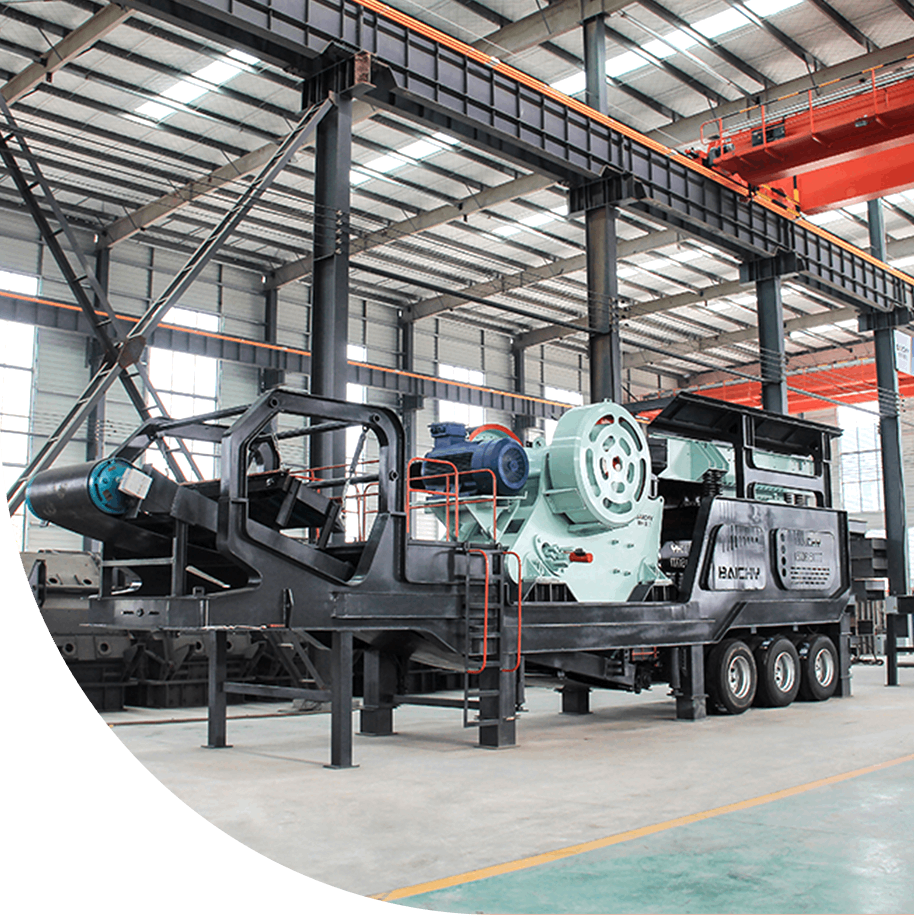
In today’s fast-paced industrial world, maximizing production efficiency is crucial for staying competitive. One of the key innovations driving this efficiency, especially in the cement and mining industries, is the vertical mill. This advanced grinding technology has proven to be a game-changer, offering significant improvements in productivity, energy efficiency, and cost reduction.
I. Vertical Mill: A Technological Leap
Vertical mills, also known as vertical roller mills, have become a cornerstone for cement grinding and mining operations. Unlike traditional mills, these machines operate on a vertical axis, utilizing gravity to enhance the grinding process. The unique design allows for better material retention and a more consistent grinding process, which results in a finer product with fewer energy inputs.

II. Boosting Production Capacity
One of the most notable benefits of vertical mills is their ability to boost production capacity without compromising on the quality of the final product. With their high throughput capabilities, vertical mills can process large volumes of material at a faster rate compared to conventional grinding machines. This makes them ideal for industries where production volume is critical, such as cement manufacturing and mineral processing.
III. Energy Efficiency at Its Best
In addition to improving output, vertical mills are known for their impressive energy efficiency. The energy required to operate a vertical mill is significantly lower than that of traditional mills. By using advanced technology such as dynamic classifiers and high-efficiency separators, these mills reduce energy consumption, making them a more sustainable option for manufacturers looking to reduce operational costs.

IV. Cost Savings for the Future
Lower energy consumption not only helps businesses save money on electricity bills but also reduces the environmental impact of industrial operations. As industries worldwide face increasing pressure to adopt more sustainable practices, vertical mills provide an effective solution to meet these demands. By reducing both operational costs and environmental footprints, vertical mills support the long-term sustainability of the cement and mining industries.
V. Looking Ahead: The Future of Vertical Mills
The continued advancements in vertical mill technology promise even greater efficiency gains. Manufacturers are working on enhancing automation, improving reliability, and further reducing energy consumption. As global industries continue to embrace automation and sustainable practices, the role of vertical mills will only become more critical in driving innovation and growth.
In conclusion, vertical mills are not just a technological upgrade—they represent a fundamental shift in how cement and mining industries approach production. Their ability to increase capacity, reduce energy consumption, and lower costs makes them an indispensable tool for businesses seeking to stay ahead in a rapidly evolving market.
Q: What is the working principle of a jaw crusher?
A: A jaw crusher works by driving a movable jaw plate (the "moving jaw") back and forth against a stationary jaw plate (the "fixed jaw"). When the movable jaw moves closer to the fixed jaw, the material is crushed by compression. As the movable jaw moves away, the crushed material is discharged. This continuous cycle allows for the crushing of materials.
Q: Which industries and materials are jaw crushers suitable for?
A: Jaw crushers are widely used in industries like mining, construction, and chemical processing. They are suitable for crushing hard materials such as quartz, granite, limestone, coal, and other minerals. They are primarily used for primary crushing in mining and construction projects.
Q: How do you maintain a jaw crusher to extend its lifespan?
A: To maintain a jaw crusher, regularly check the condition of key components like the movable jaw, fixed jaw, and crushing plates, and replace worn-out parts as needed. Ensure proper lubrication, clean the equipment frequently, and check the electrical and drive systems for any issues.
Q: What is the production capacity of a jaw crusher?
A: The production capacity of a jaw crusher depends on the model and material characteristics. Typically, jaw crushers can produce from tens to hundreds of tons per hour. The specific production rate should be matched with the material type and operational requirements.
Q: What factors should be considered when choosing a jaw crusher?
A: When selecting a jaw crusher, consider factors such as the hardness and particle size of the material, production capacity, energy efficiency, equipment durability, and after-sales service. Choosing the right model and configuration based on the application is crucial for ensuring efficient operation.