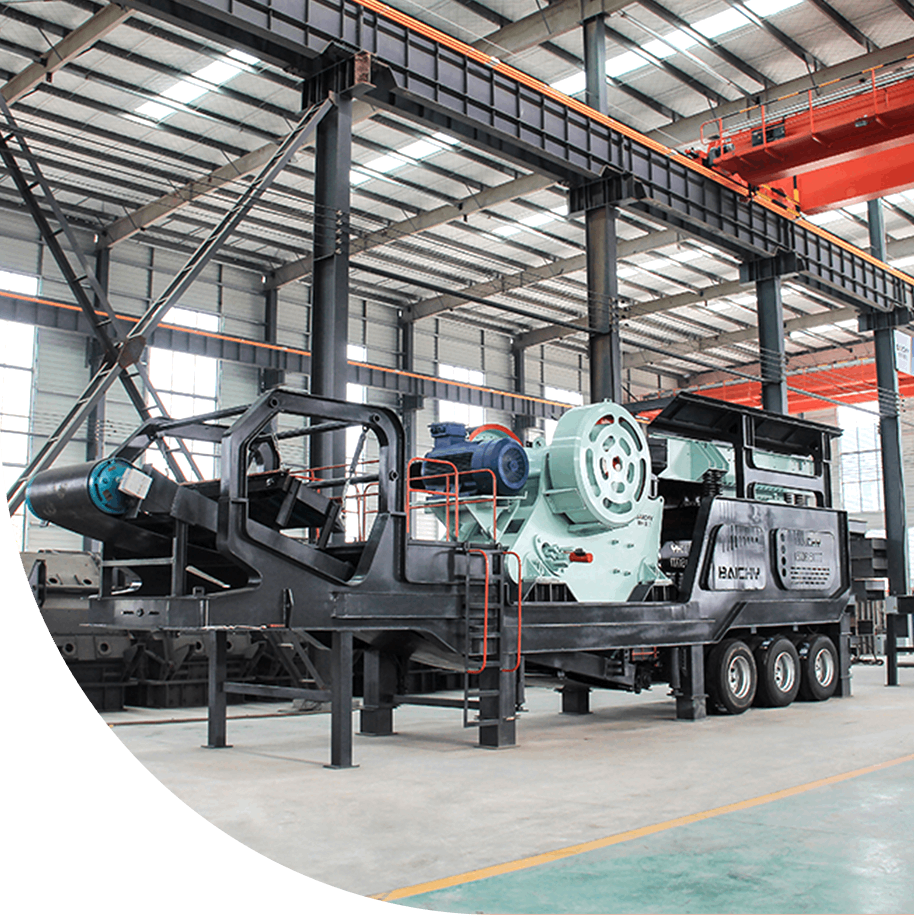
Gold concentrators are specialized machines designed to extract fine gold from ore and sediment using gravity or centrifugal force. They improve gold recovery rates, reduce material loss, and make subsequent processing more efficient. Gold concentrators are widely used in placer mining and small- to large-scale industrial operations, offering flexibility across various mining projects. Modern designs often include adjustable feed rates, automated controls, and durable materials to ensure consistent performance and long-term reliability.
I. Types of Gold Concentrators
Common types include centrifugal concentrators, sluice boxes, shaking tables, and spiral concentrators. Centrifugal concentrators, like Knelson or Falcon types, are highly efficient for fine gold. Sluice boxes and shaking tables are cost-effective solutions for small-scale or artisanal mining. Spiral concentrators are ideal for placer deposits with fine sand and medium-scale operations. Each type has unique advantages depending on ore type and operational needs.
II. Material Suitability
The choice of gold concentrator depends on ore hardness, particle size, and gold distribution. Centrifugal concentrators handle fine and ultra-fine gold efficiently, while sluices and shaking tables are more effective for coarser gold particles. Moisture content, mineral density, and the presence of other metals also influence machine performance. Proper evaluation ensures optimal recovery and reduces wear on equipment.
III. Efficiency and Production Considerations
Gold concentrator efficiency is measured by recovery rate and processing capacity. Centrifugal concentrators offer high recovery rates with low labor input. Sluices and shaking tables are simpler but may require more manual attention to maintain consistent recovery. Production scale, feed volume, and ore grade determine which type of concentrator best fits the operation while maximizing efficiency.
IV. Maintenance and Operational Tips
Routine maintenance ensures long-term performance of gold concentrators. Cleaning, checking wear parts, lubricating moving components, and monitoring feed consistency are essential. Automated or semi-automated concentrators reduce labor, improve recovery consistency, and minimize downtime. Using high-quality components and following manufacturer guidelines extends service life and reduces operational costs.
Selecting the right
gold concentrator involves assessing ore characteristics, desired recovery rate, production scale, and budget. Centrifugal concentrators are preferred for fine gold and high-volume operations. Sluice boxes and shaking tables are suitable for small-scale or artisanal mining. Spiral concentrators provide a balance for medium-scale placer operations. Proper selection ensures maximum gold recovery, efficient operations, and cost-effectiveness.
Frequently Asked Questions About gold concentrators
Q: How do I choose a concentrator for large-scale operations?
A:High-capacity centrifugal concentrators with automated features ensure efficient recovery, lower labor costs, and consistent performance for large-scale mining.
Q: What maintenance is required for gold concentrators?
A: Regular cleaning, lubrication, inspection of wear parts, and monitoring feed consistency are essential for maintaining efficiency.
Q: Can small-scale miners use gold concentrators effectively?
A: Yes. Sluice boxes, shaking tables, and small centrifugal concentrators are suitable for artisanal or small-scale mining operations.
Enhance Your Material Handling Efficiency Today – Contact Our Experts for Customized solutions.