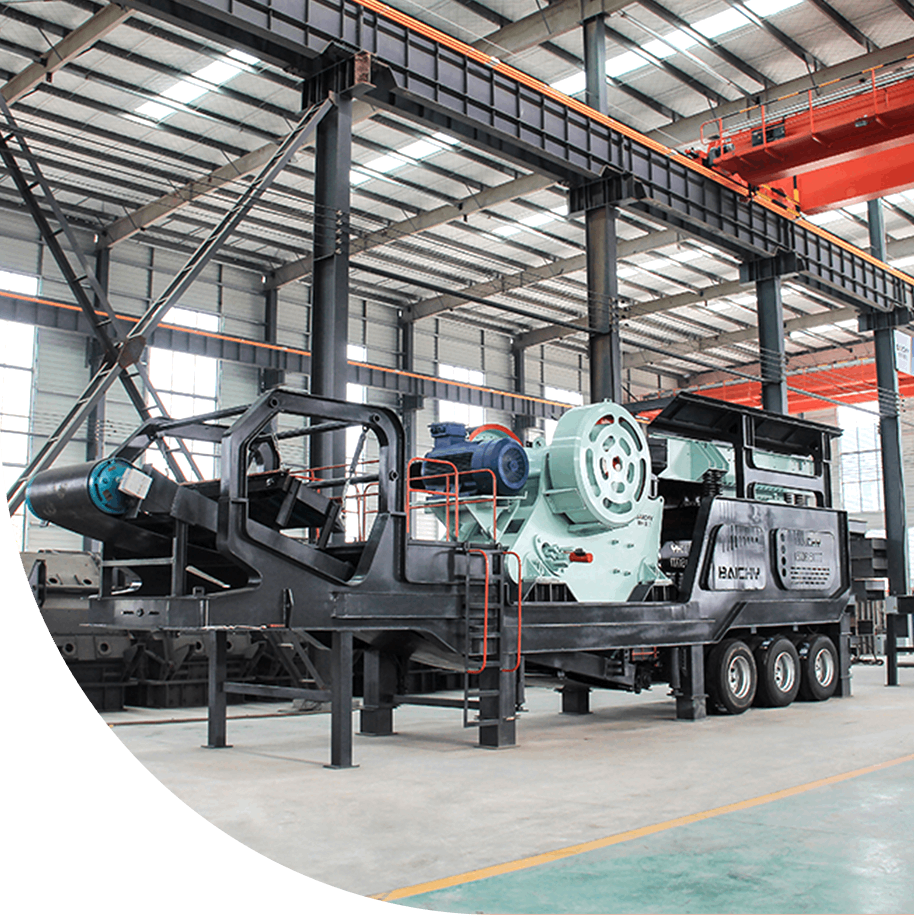
Industrial mixers are machines designed to combine ingredients or materials to create homogeneous mixtures. These mixers are widely used in industries like food processing, pharmaceuticals, construction, and chemicals. They help ensure that materials are evenly distributed, improving the quality and consistency of the final product. Whether you're mixing powders, liquids, or pastes, industrial mixers are vital for efficient and precise material processing.
I. Summary of Types of Industrial Mixers
Industrial mixers come in various types, including batch mixers, continuous mixers, planetary mixers, and ribbon blenders. Batch mixers are ideal for handling small to medium quantities of material, used for discrete mixing; continuous mixers are designed for large-scale production, offering continuous material mixing; planetary mixers feature rotating blades that move in two directions, offering high precision for tasks like dough or paint mixing; ribbon blenders, with their double-helix ribbon design, are commonly used for efficiently mixing powders or granular materials.

II. How Industrial Mixers Work
Industrial mixers use various mechanisms to combine materials, including rotating blades, paddles, or augers. The type of mixer chosen will depend on the materials being mixed and the desired outcome. Some mixers use high-speed blades to break down particles, while others use slow-motion blades for more delicate mixing. The goal is to ensure even distribution and prevent clumping or uneven mixing.
III. Summary of the Benefits of Industrial Mixers
The primary benefits of industrial mixers include improved consistency, increased production efficiency, energy savings, and versatility. They ensure even distribution of materials, preventing clumping or uneven mixing; by speeding up the mixing process, they increase production capacity. Modern mixers are designed to be energy-efficient, using less power while maintaining optimal performance, and can handle a wide variety of materials, meeting the needs of different industries for efficient production.

IV. Summary of Applications of Industrial Mixers
Industrial mixers are widely used across various industries. In food processing, they blend ingredients, dough, and seasonings; in construction, they mix cement, sand, and other materials to create concrete; in pharmaceuticals, they mix active ingredients and excipients; in chemicals, they are used to precisely mix chemicals for products like paints and adhesives. By utilizing industrial mixers, these industries can enhance both production efficiency and product quality.
When selecting an industrial mixer, it's essential to consider factors such as material type, batch size, and production speed. For example, food processors may need a high-precision planetary mixer, while construction companies might require heavy-duty ribbon blenders for mixing concrete. Consulting with an expert or manufacturer can help determine the best mixer based on your specific needs and production volume.
Q: What are the different types of industrial mixers available?
A: The most common types of industrial mixers include batch mixers, continuous mixers, planetary mixers, and ribbon blenders. Each type is designed for specific mixing needs and materials.
Q: How can I ensure the consistency of my product when using an industrial mixer?
A: To ensure consistency, choose the right type of mixer for your materials, maintain proper operating conditions (such as speed and duration), and regularly clean and maintain your mixer to prevent contamination and uneven mixing.
Q: Are industrial mixers energy-efficient?
A: Yes, many modern industrial mixers are designed to be energy-efficient, using advanced technology to minimize energy consumption while maintaining high performance.